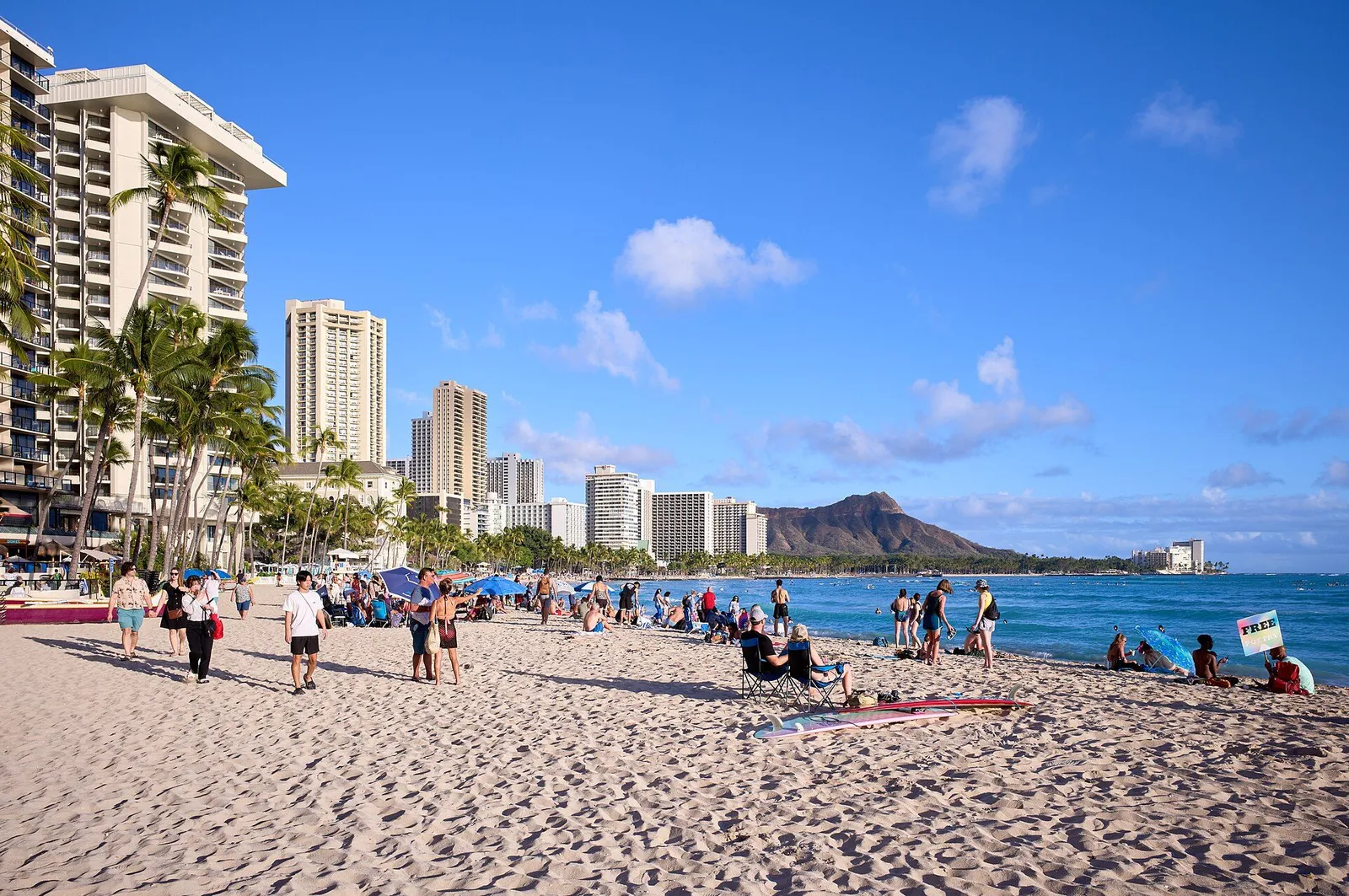
Honolulu is the only US state capital with a world-famous beach at its doorstep, and it works beautifully for first-time American travelers. The core experiences cover every register of a Hawaii trip: swimming and learning to surf at Waikiki, standing in quiet reflection above the sunken USS Arizona at Pearl Harbor, climbing a volcanic crater at sunrise, snorkeling a protected reef bay, and walking the only royal palace on US soil. The city is compact, safe by big-city standards, and served by buses that make a rental car optional. It is also the hub for every interisland flight, so most Hawaii trips start here. Give it four or five days, book the Pearl Harbor program and Hanauma Bay reservations early, and let the island set the pace.
Top sights at a glance
Waikiki Beach
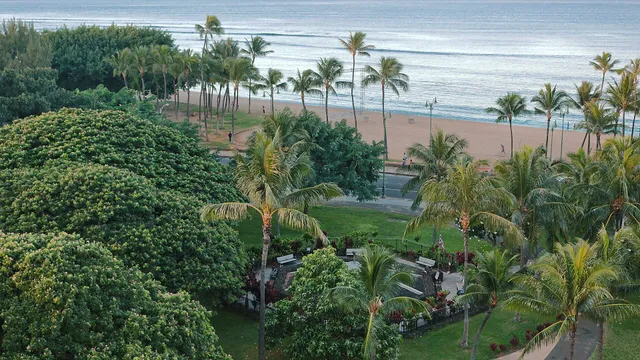
Waikiki is the most famous beach in the Pacific and still the best beginner surf break in Hawaii. Diamond Head fills the horizon at one end, outrigger canoes line the sand, and long, gentle waves roll in steadily enough that first-timers stand up on their first morning. Every stretch of it is public, and the whole district behind it runs on swimmers, walkers, and sunset crowds.
Good to know · The beach is free and open to everyone; rent a board or book a surf lesson from the stands along Kuhio Beach and go in the morning when the water is calmest. As of October 2026 there is no entry fee anywhere on the sand. Weekday mornings are quietest; weekends belong to local families.
Pearl Harbor (USS Arizona Memorial)
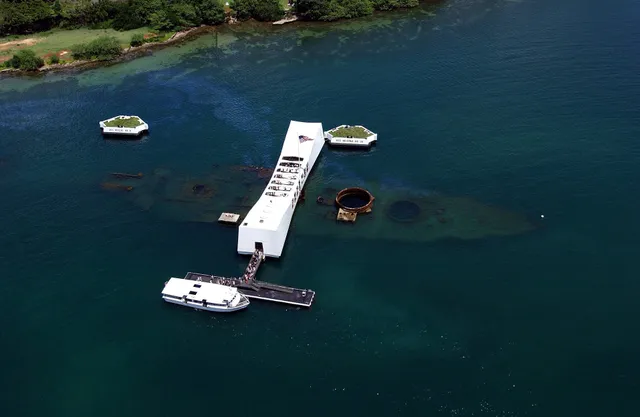
The December 7, 1941 attack that brought the United States into World War II is remembered here with unusual power. The white memorial spans the sunken USS Arizona, where 1,177 crewmen died and more than 900 still rest. A National Park Service program takes you by Navy boat across the harbor to stand above it. It is the most visited site in Hawaii and it asks for quiet, not souvenirs.
Good to know · Entry to the visitor center is free, but the Arizona Memorial program requires a reservation on recreation.gov with a small nonrefundable booking fee; reserve as soon as your dates are fixed. Bags are not allowed, so leave everything at your hotel or use the paid storage by the entrance. First program is at 8 a.m., last boat mid-afternoon, as of October 2026.
Diamond Head
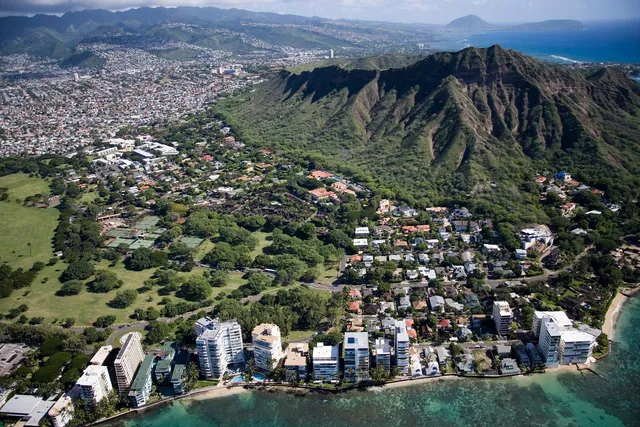
The crater Hawaiians named Leahi is the city's front door, a 300,000-year-old tuff cone rising at the edge of Waikiki. The trail to the summit was built in 1908 as part of Oahu's coastal defense system, and it climbs 0.8 miles through switchbacks, stairs, and a lighted tunnel to bunkers with a full sweep of the coastline. It is the best effort-to-reward hike on the island.
Good to know · Non-residents need an advance reservation, a $5 entry fee, and $10 for parking (credit card only), booked through the Hawaii State Parks system at dlnr.hawaii.gov/dsp. Gates run 6 a.m. to 6 p.m. with last entry at 4:30 p.m., as of October 2026. Reserve the earliest slot, bring water, and allow 1.5 to 2 hours.
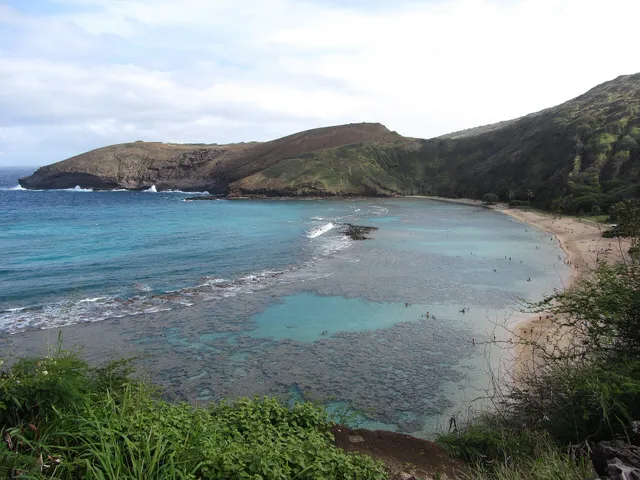
Hanauma Bay
A sunken volcanic crater open to the sea holds the best snorkeling in urban America: a sheltered, shallow reef thick with parrotfish, sea turtles, and Hawaii's state fish, the humuhumunukunukuapuaa. The city runs the bay as a marine preserve, limits it to a few thousand visitors a day, and closes it two days a week so the reef can rest. Watching the required conservation video is part of the deal.
Good to know · Reservations are mandatory for non-residents and open two days ahead on the city site (honolulu.gov); the non-resident entry fee was $25 plus an online fee, as of October 2026. The bay is open Wednesday through Sunday, entry 6:45 a.m. to 1:30 p.m., and closed Mondays and Tuesdays. Go in the first wave of slots for calm water and clearest visibility.
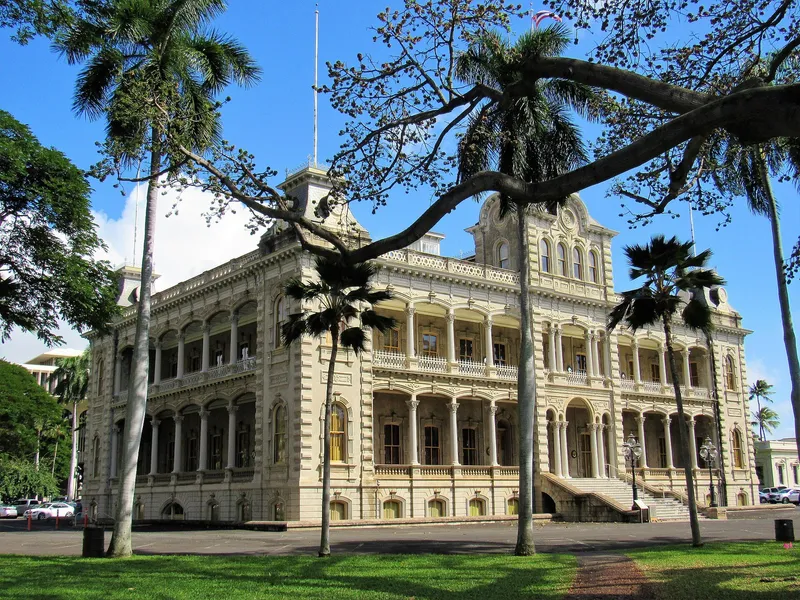
Iolani Palace
The only royal palace on American soil is the emotional heart of Honolulu. Completed in 1882 under King Kalakaua, it had electric lights and telephones before most world capitals, and it became the site of Queen Liliuokalani's imprisonment after the 1893 overthrow of the Hawaiian Kingdom. Restored by Hawaiian community effort, it now runs guided and audio tours through throne room, state dining room, and the queen's bare upstairs cell.
Good to know · Tours run Tuesday through Saturday and tickets are sold online only through iolanipalace.org, so book before you arrive; walk-ups are not accepted, as of October 2026. Allow 60 to 90 minutes. Shirts and footwear are required, beachwear is not permitted, and you will wear protective shoe coverings indoors, as the palace treats the building as a sacred site.
Honolulu is the only American city where you can watch sunrise from an outrigger canoe, stand in silence above a battleship sunk in 1941, and be back at your hotel for lunch, all within a few miles of each other. That range is why it works so well for first-time US travelers. It pairs a real, working state capital with the most famous beach in the Pacific, and it puts the country’s most sobering military history within a short bus ride of a beach towel. Honolulu is also the hub of the Hawaiian islands, so nearly every trip to Hawaii starts or ends here, and usually both. Give it four or five days, split them between slow beach mornings and one proper excursion a day, book the Pearl Harbor program and the Hanauma Bay reservation before you fly, and let the island’s own pace set your itinerary.
A Bit of History
Waikiki is far older than its hotels. The name means “spouting fresh water,” a reference to the springs and streams that once fed wetlands across the district, and after the Hawaiian Kingdom was unified in 1795, Waikiki served briefly as the kingdom’s first capital. Through the 1800s it was a retreat for Hawaiian royalty, who surfed there on early longboards, which is why the shoreline carries cultural weight beyond its postcard value.
The monarchy’s story runs through downtown. Iolani Palace, completed in 1882 under King Kalakaua, stood at the center of a modern, internationally recognized Hawaiian nation. In 1893 a group of American and European businessmen overthrew the kingdom, and the palace became the stage for Queen Liliuokalani’s trial and imprisonment. The United States annexed Hawaii in 1898 and granted statehood in 1959, and the palace, restored largely through Native Hawaiian advocacy, now anchors how the islands remember that whole arc.
Plantation economics built the rest of modern Honolulu: sugar and pineapple brought workers from Japan, China, Portugal, the Philippines, and Korea, whose descendants created the multiethnic, mixed-plate culture that defines the city today.
Then came December 7, 1941. The Japanese attack on the Pacific Fleet at Pearl Harbor killed about 2,400 Americans, including 1,177 crewmen of the battleship USS Arizona, and brought the United States into World War II the next day. The National Park Service memorial that now spans the sunken hull was dedicated in 1962 and remains the most visited site in Hawaii. Postwar jet travel turned Waikiki into a global resort district, and much of today’s sandy beach is engineered, with imported sand holding the shoreline since the 1920s and 1930s. History in Honolulu is never sealed behind glass; it is the water people swim in, which is what makes the city worth your attention.
Culture & Daily Life
Honolulu’s culture is easiest to understand as a set of working values rather than performances. Aloha functions as a real social contract here, an ethic of welcome and mutual care that locals extend to strangers; respond to it with warmth and patience and you will find the city immediately friendlier than its size suggests. Ohana means family in the broadest sense, and you will see three generations at the beach on weekends, claiming shade with pop-up tents and coolers.
Hawaiian language is visibly alive: streets, beaches, and towns carry Hawaiian names, and using them correctly is a mark of respect. Hula deserves particular care: it is a storytelling art carrying genealogy, place names, and history, with sacred roots, closer to ceremony than to show business. The resort luau is a fine evening out, but treat it as entertainment, not the whole picture.
A few local rules of thumb go a long way. Remove your shoes when entering someone’s home. Accept a lei graciously and wear it. Never take sand or rocks from beaches, which many locals regard as taking a piece of the aina, the land that feeds everyone. Hawaii’s environment is protected by law as well as custom: the state bans the sale of sunscreens containing oxybenzone and octinoxate, chemicals linked to coral damage, so buy reef-safe sunscreen before you swim.
Practical daily life is easy and American-standard. Tipping runs 18-22 percent at restaurants and $1-2 per drink at bars, with the full breakdown at /guides/tipping-and-sales-tax/. Prices run noticeably higher than the mainland, and posted prices gain the state’s general excise tax at the register, so compare real totals with /tools/real-price-calculator/. Alcohol requires ID at 21.
Nature & the Outdoors
The ocean is Honolulu’s great outdoors, and it is unusually friendly. Waikiki’s long, rolling breakers are protected enough for first-time surfers, and outrigger canoe rides glide past the same reef. Winter changes the equation: between roughly November and March, big North Shore swells make the island’s north side a spectator sport while Waikiki stays calm, and humpback whales pass offshore, visible from coastal lookouts like Makapuu on a clear day.
The land rises dramatically behind the city: the Koolau mountains wall off the windward side with green ridges, while the coastal strip bakes in sun. Diamond Head is the classic climb, but the trail network stretches from rainforest waterfalls to coastal bluffs, all within a half-hour of Waikiki by bus.
Treat the water with local seriousness. Swim at lifeguarded beaches, watch the posted flags, and stand well back from sea turtles and monk seals, which are protected species; give resting seals a wide berth on the sand. Reef etiquette matters too: never stand on coral, and float rather than walk when the shallow reef closes in. One practical reality applies before any of this: US emergency care is expensive for visitors, and a medical evacuation or ER visit without coverage can cost thousands of dollars, so arrange travel medical insurance before you get in the water; see /guides/health-insurance-safety/.
Food & Drink
Hawaii’s food is plantation history you can eat, and it is delicious at every price point. The plate lunch is the unit of currency: two scoops of white rice, a scoop of macaroni salad, and a protein such as kalua pork, teriyaki beef, or garlic shrimp, from lunch wagons and corner shops for roughly $12-18. Poke, cubes of seasoned raw ahi tuna, migrated from local snack to global trend, but it tastes best in a simple paper bowl near the harbor. Saimin, a noodle soup born in the plantation camps, and manapua, Hawaii’s steamed pork buns, tell the same story of immigrant cooks feeding each other.
Save room for the sweet end: shave ice with tropical syrups, Portuguese malasadas (pillowy fried dough from laborers who came to work the plantations), and spam musubi, the onigiri-inspired snack that Hawaiians defend with humor and pride. Neighborhoods matter more than any single destination: Kaimuki and Kapahulu hold the unpretentious local institutions, Kakaako has the warehouse-block restaurants and craft brewers, and downtown Chinatown, one of the oldest in the country, packs markets, bakeries, and bars into a few walkable blocks.
Budgeting runs higher than most US cities: casual meals $15-25, good dinners $50-80. Tipping is standard mainland practice, 18-22 percent for table service, $1-2 per drink, 10-15 percent for delivery, detailed at /guides/tipping-and-sales-tax/, and remember that Hawaii adds its general excise tax to nearly everything, so expect bills to land a few percent above the menu.
Top Sights
Order matters in Honolulu. The beach needs no booking, but the harbor, the crater, the bay, and the palace all do, so reserve them for different days and keep mornings for the water.
Waikiki Beach
Waikiki is free, public, and better than its commercial reputation suggests. The beach runs about two miles along a string of parks, with Diamond Head closing the view at the east end. The surf break is the training ground of Hawaiian surfing, and the gentle, consistent waves make it one of the few famous beaches where a complete beginner can ride a wave on the first morning; lessons and board rentals line Kuhio Beach, and outrigger canoe rides give you the same rollers without the paddling.
The best hour here is sunrise, when the light hits the crater and the sand is nearly empty, and the best free landmark is the bronze statue of Duke Kahanamoku on Kuhio Beach, honoring the Olympic swimmer who carried surfing from these waves to the world. The sand itself has a history worth knowing: it is almost entirely man-made, maintained by imported sand since the early 20th century, which is why it has stayed generous while other urban beaches eroded. Swim between the flags, store valuables in your hotel, and finish any beach day with the walk through Kapiolani Park at the Diamond Head end, the city’s oldest public park.
Pearl Harbor (USS Arizona Memorial)
Pearl Harbor is a place of remembrance first and a museum second, and the visit lands harder than any expectation of it. The National Park Service visitor center is free, with exhibits and a documentary film; the centerpiece program adds a Navy boat ride across the harbor to the white memorial that spans the sunken USS Arizona. Inside, 1,177 crewmen died on the morning of December 7, 1941, and more than 900 still lie within the hull below the floor you stand on. Look for the shimmer of oil still rising from the wreck, which rangers call the tears of the Arizona.
Reservations are strongly recommended: as of October 2026, the visitor center opens daily 7 a.m. to 5 p.m. (closed Thanksgiving, Christmas, and New Year’s Day), programs run from 8 a.m. with the last boat at 3:30 p.m., and tickets carry a small nonrefundable booking fee on recreation.gov. Bags of any kind are banned, with paid storage by the entrance, and parking costs $7 per day by mobile app. Dress as you would for a memorial service, not a beach day. Adjacent sites, including the battleship Missouri and the aviation museum, sell separate tickets; give the Arizona program your attention first.
Diamond Head
Diamond Head is the hike everyone can do, and the view justifies the fame. The trail was built in 1908 as part of Oahu’s coastal defense, and it climbs 0.8 miles from the crater floor to the summit, gaining 560 feet through concrete switchbacks, steep stairs, and a 225-foot lighted tunnel to a 1911 fire control station at the top. From the bunkers, the coastline sweeps from Koko Head to Waianae, and in winter the view can include passing humpback whales. The crater itself formed about 300,000 years ago in a single explosive eruption; Hawaiians named it Leahi, the brow of the tuna, long before British sailors mistook its calcite sparkle for diamonds.
Go early. As of October 2026, non-residents must book an entry reservation in advance through Hawaii State Parks, pay $5 per person plus $10 for parking (credit card only), and enter between 6 a.m. and a 4:30 p.m. last entry, with gates locked at 6 p.m. Wear real shoes, bring water, and allow 1.5 to 2 hours. The last section is stairs and the descent is hard on knees, so take your time both ways.
Hanauma Bay
Hanauma Bay is what happens when a city decides a reef is worth more intact than crowded. The bay sits in the crater of an ancient volcano, open to the sea on one side, and it became Hawaii’s first Marine Life Conservation District in 1967. Today the City and County of Honolulu caps visitation, closes the bay Mondays and Tuesdays, and requires every visitor to watch a short conservation film, a routine that has visibly restored the fish populations. The result is the easiest world-class snorkeling in the United States: wade in from the sand and the parrotfish, yellow tang, and grazing turtles are simply there, in water that is usually waist-deep over the reef’s inner edge.
The rules are strict and worth embracing. As of October 2026, non-resident entry costs $25 plus an online booking fee, reservations open two days ahead and are mandatory, entry runs 6:45 a.m. to 1:30 p.m., and everyone must leave by 4 p.m. Use reef-safe sunscreen, never stand on the coral, and keep to the marked swimming lanes past the reef line. The bus stop sits at the top of the crater road, so plan the ten-minute walk down and the longer walk up.
Iolani Palace
Iolani Palace is the site that most visitors underestimate and most remember longest. Completed in 1882 under King Kalakaua, it was a genuinely modern royal residence, outfitted with electric lights, indoor plumbing, and telephones ahead of most of the world’s capitals, and its halls received diplomats and royalty from every continent. After the 1893 overthrow of the Hawaiian Kingdom, it became the place where Queen Liliuokalani was tried and imprisoned; the upstairs room where she was held is part of the tour, and the restraint of the space does the emotional work for you.
The palace is run today as a living restoration of Hawaiian national identity, and the visit is structured accordingly: docent-led and self-led audio tours cover the throne room, the state dining room, and the royal quarters, taking 60 to 90 minutes. Tours run Tuesday through Saturday and tickets are online only through iolanipalace.org, so book ahead; walk-ins are not accepted, as of October 2026. Treat the dress code with respect: shirts and footwear required, beachwear not permitted, and protective shoe coverings worn inside. Pair the visit with a slow walk around the palace grounds.
Getting There & Around
Daniel K. Inouye International Airport (HNL) sits about six miles from Waikiki, a 20-30 minute ride. Public buses run from the airport to Waikiki for roughly $3 per ride, and taxis or rideshares typically run $25-40 depending on traffic. The island’s new Skyline rail line does not yet reach the airport terminals, so do not plan around it for arrival day.
Once you are in Waikiki, you barely need a car: the district is flat and walkable, and TheBus network covers the whole island for about $3 per ride with a daily cap around $7.50 on the HOLO card system. Direct buses connect Waikiki to Pearl Harbor and to the stop above Hanauma Bay, and the Diamond Head entrance is a short ride away. Rent a car only for a full island loop day (the North Shore, the windward coast, and Kailua beaches all reward one), and note that Waikiki hotel parking commonly runs $30-60 a night, which alone pays for a week of bus rides.
Where to Stay
Waikiki itself is the practical base for a first visit: nearly every hotel sits within a few blocks of the sand, buses fan out from Kalakaua Avenue, and the evening crowd is built for travelers. Choose a room near Kuhio Beach for the calmest swimming end of the strip. Ala Moana and Kakaako, one district west, are the quieter, more local-flavored play: shorter buildings, better coffee, and an easy walk to the Ala Moana beach park that locals prefer.
Two warnings apply across the island. Resort fees: many Waikiki hotels add a mandatory daily amenity fee on top of the room rate, so check the total, not the headline price, with /tools/real-price-calculator/. Season: mid-December through March brings peak prices and fullest flights, so book months ahead; spring and fall give the best balance of price, weather, and space on the sand.
Sources & verification (11)
- https://www.nps.gov/valr/planyourvisit/basicinfo.htm
- https://www.nps.gov/valr/planyourvisit/fees.htm
- https://www.nps.gov/valr/learn/historyculture/uss-arizona.htm
- https://dlnr.hawaii.gov/dsp/parks/oahu/diamond-head-state-monument/
- https://www.honolulu.gov/parks-hbay/home.html
- https://www.iolanipalace.org/visit/
- https://www.iolanipalace.org/visit/tours-admission/
- https://www.iolanipalace.org/about/history/a-place-for-royalty/
- https://en.wikipedia.org/wiki/Waikiki
- https://en.wikipedia.org/wiki/Hanauma_Bay
- https://en.wikipedia.org/wiki/TheBus_(Honolulu)