Amtrak in 2026: Where Trains Beat Flying, Where They Do Not, and What a Roomette Costs
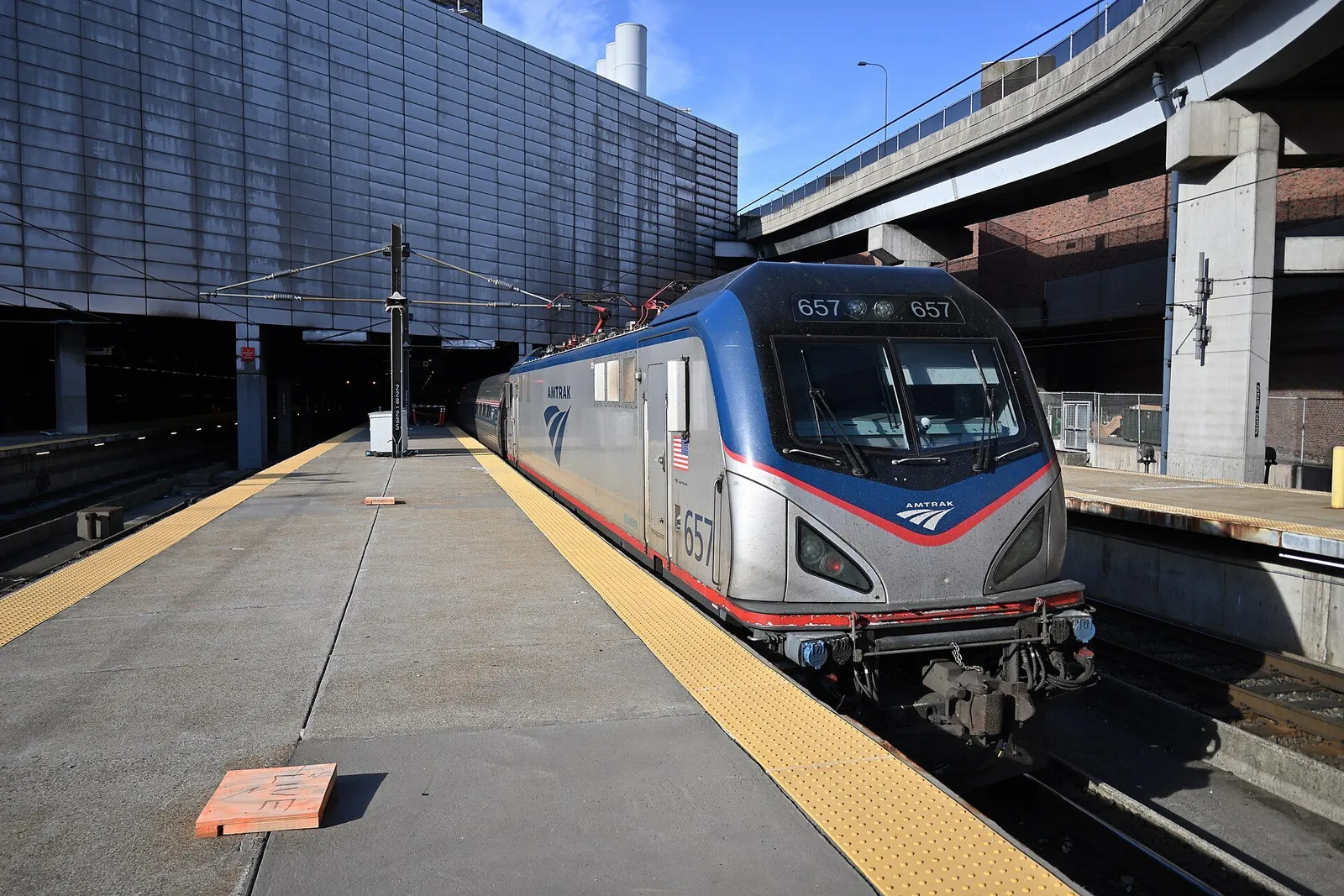
Amtrak is really two railroads wearing one uniform. In the Northeast Corridor from Boston through New York to Washington, trains are comfortably the best way between cities: the Acela and the slower, cheaper Northeast Regional run dozens of times a day, downtown to downtown. Almost everywhere else, long-distance trains crawl over freight-owned tracks, delays are routine, and a plane or bus is usually the smarter tool. This guide separates the two Amtraks honestly: how the fare system prices the same seat two ways, what coach versus a roomette actually buys you on an overnight run, why many small stations have no staff, how the USA Rail Pass works in 2026, and the route-by-route verdict on when the train wins. Checked against reference sources as of October 2026.
The short version
- In the Northeast Corridor (Washington, Philadelphia, New York, Boston), Amtrak beats flying door to door; New York to Washington runs about three hours on the Acela
- Outside the Northeast, long-distance trains share tracks with freight railroads and delays are routine; between 2018 and 2023 only about 74.5% of Amtrak trains arrived on time
- Acela rides a premium over the Northeast Regional, which does the same run with more stops for much less
- Overnight routes sell coach seats and sleepers; a roomette buys a bed, meals and shower access at a large markup
- The USA Rail Pass covers 10 ride segments within 30 days, but it only makes sense on the busy Northeast and West Coast corridors; book on amtrak.com
Americans do not ride trains the way Europeans or Japanese do, and guidebooks that imply otherwise set you up for a shock. Amtrak is a national network with one strong spine and many slow branches: along the Northeast Corridor it is genuinely the fastest way between cities, while the famous long-distance names (the California Zephyr, the Sunset Limited) are scenic adventures that share tracks with freight and arrive late as a matter of routine. Knowing which railroad you are booking changes everything, so here is the honest 2026 picture, corridor by corridor.
The Two Amtraks: Corridor and Long Distance
The structural fact behind everything else: Amtrak owns only about 623 miles of the roughly 21,400 route-miles its trains use. The rest belongs to freight railroads, who dispatch their own trains first. The big exception is the Northeast Corridor (NEC), the 457-mile electrified line from Washington through Baltimore, Philadelphia, New York and Providence to Boston, of which Amtrak owns 363 miles outright. That single stretch is why Amtrak carried a record 34.5 million passengers in fiscal 2025: the corridor and its branches do the heavy lifting, while the 15-or-so long-distance trains that fan out to Chicago, New Orleans, Miami and the West Coast carry a fraction of that, at a loss, as a kind of rolling national park.
The practical translation for a visitor: build your itinerary around the NEC where you can, treat long-distance trains as a ride experience rather than transportation, and fly or bus everywhere else.
The Northeast Corridor: Where the Train Genuinely Wins
Washington to New York is Amtrak at its best. The Acela, the flagship, does the run in a scheduled best of roughly two hours 45 minutes; the Northeast Regional, which stops more often, takes around three and a half hours. Compare the alternative: door to door, a flight consumes close to four hours once you add airport time, and the interstate bus takes four and a half to five. Boston to Washington is under seven hours by Acela, competitive with flying for downtown endpoints. Trains run from early morning to late evening, seats are bigger than airline seats, Wi-Fi and a cafe car are standard, and phones work the whole way.
| Service | NY to Washington | Character | Ridership, FY 2025 |
|---|---|---|---|
| Acela | About 2 hr 45 min | Premium, fewer stops, reserved First/Business, quiet car | About 3.15 million |
| Northeast Regional | About 3.5 hr | Workhorse, more stops, coach and business, extends to Virginia | About 12 million |
Two corridor upgrades are worth knowing in 2026. The Acela’s new Avelia Liberty trainsets (marketed as NextGen Acela) began carrying passengers in August 2025, and 16 of the 28 ordered trainsets were in service by August 2026, adding seats and faster trips on curves. And track speeds top out at 150 mph (241 km/h) only on a fast stretch in New Jersey; the corridor’s slow section between New York and New Haven caps the timetable, so do not expect French TGV numbers. You are not buying raw speed, you are buying downtown-to-downtown reliability and a productive three hours.
Fares: The Same Seat, Two Very Different Prices
Amtrak prices like an airline without saying so. The cheapest bucket (sold as a “Saver” fare) sells out first, restricts changes and refunds, and can be a third of the walk-up price; flexible fares cost far more and buy easy changes. Three rules:
- Book early and price both services. For any NEC trip, compare Acela against the Northeast Regional before paying: the Regional can cost half as much for 45 extra minutes, which is usually the better trade for a visitor.
- Acela carries a deliberate premium. It buys fewer stops, First Class with at-seat meals, and a slightly faster schedule. Regulars mostly ride the Regional.
- Kids ride cheap on some promotions and half fare on many routes (rules vary by promotion), and Amtrak pairs naturally with our getting around without a car guide since NEC stations sit on top of city transit.
Prices swing enormously by date and demand, so treat any dollar figure from an older article (including this one) as decoration and check amtrak.com for your actual day. Use our Real Price Calculator to compare the train total against a bus or airfare before deciding.
Long-Distance Trains: Coach, the Lounge and the Roomette
Long-distance trains are the famous ones: the Lake Shore Limited to Chicago, the Crescent to New Orleans, the Coast Starlight up the Pacific. Ride them for the experience, with eyes open about time. Coach means a reclining airline-style seat (bigger than a plane’s), power outlets, and a cafe car; it is cheap relative to a sleeper, and on a two-night run it is for the hardy. Overnight comfort comes in sleepers:
| Option | What you get | What it costs |
|---|---|---|
| Coach seat | Reclining seat, footrest, outlet, cafe car access; no shower | The fare |
| Roomette | Lockable private cabin for one or two, converted to beds at night, all meals included, shower in the sleepers, lounge access | Typically a large multiple of the coach fare, priced dynamically |
| Bedroom (family) | Bigger cabin with private toilet and shower | The top of the range |
The roomette is the classic American rail romance: your own window, dinner in the dining car included, and a proper bed while the plains go by. It is also priced like a hotel room and subject to the same demand pricing as everything else. Book sleepers months ahead for summer and holiday dates.
Delays, Stations and Other Realities
Now the honest part. Weighted across 2018-2023, only about 74.5% of Amtrak trains arrived on time (by Amtrak’s own forgiving sliding scale), and about 57.5% of delay hours were caused by the host freight railroads whose tracks long-distance trains borrow. Some long-distance runs slip by hours; a couple of routes (the Sunset Limited and Cardinal) run only three days a week. If you are connecting to a flight the same day, buffer heavily or re-plan.
Stations have their own logic. Big city terminals (New York Penn, Washington Union, Chicago Union, Philadelphia 30th Street) are staffed with checked baggage and red caps, but many small stations are bare platforms with no staffed ticket office at all, so buy your ticket online or in the app before you arrive. Checked baggage exists on many but not all routes; verify for yours on amtrak.com. And unlike European stations, there is rarely a luggage cart waiting: pack assuming you carry your own bags across platforms.
Rail Passes and the Route-by-Route Verdict
Amtrak sells the USA Rail Pass, valid for 10 ride segments within 30 days, priced on amtrak.com (in the roughly $500 range in recent years; confirm the current price when booking). It only pays off if you would genuinely ride that many segments, and it works best on the busy, frequent corridors: the Northeast, the Pacific Northwest (Seattle-Portland-Eugene), California’s corridor services and the Midwest hub out of Chicago. It is a poor fit for long-distance sleepers, where pass holders typically still pay for accommodation, and for three-day-a-week routes where a missed connection costs days.
The verdict by route:
- New York, Philadelphia, Baltimore, Washington, Boston (plus Hartford/New Haven and Springfield): train, always. Fast, frequent, downtown to downtown (pair it with our domestic flights guide for the flights that still make sense elsewhere).
- Washington to Richmond/Virginia Beach corridor, Chicago to Milwaukee or St. Louis, San Diego to Los Angeles to Santa Barbara, Seattle to Portland: usually the train, if the schedule fits.
- Cross-country and long overnight runs: the train if the ride itself is the point (book a roomette, expect delays); fly if you need to be somewhere.
Common Mistakes
- Booking the Acela out of habit. The Northeast Regional does the same run for far less; check both before paying.
- Planning a long-distance train to actually arrive on time. Freight interference makes hours-late arrivals routine outside the NEC. Never stack a same-day flight or event directly behind a long-distance arrival.
- Buying the Rail Pass for a cross-country trip. Ten segments sounds generous until sleepers, three-weekly routes and dynamic pricing eat the value. The pass fits corridor-heavy itineraries, not grand tours.
- Showing up at a small station expecting a ticket office. Many are unstaffed platforms. Buy in the app beforehand and have the e-ticket on your phone.
- Assuming checked baggage works on your route. It is route-dependent. Confirm on amtrak.com or pack carry-on only.
- Booking coach for a two-night run to save money. By night two the romance of the reclining seat is gone; if you cannot afford a roomette, break the trip or fly.
- Comparing timetable speed with flying. Trains win on door-to-door time only when the endpoints are downtown and under about 450 miles; beyond that, the plane usually takes it, as in our flying guide.
Sources & verification (9)
- https://en.wikipedia.org/wiki/Amtrak
- https://en.wikipedia.org/wiki/Acela
- https://en.wikipedia.org/wiki/Northeast_Regional
- https://en.wikipedia.org/wiki/Northeast_Corridor
- https://en.wikipedia.org/wiki/Superliner_(railcar)
- https://en.wikipedia.org/wiki/Sleeping_car
- https://en.wikipedia.org/wiki/Lake_Shore_Limited
- https://en.wikipedia.org/wiki/Sunset_Limited
- https://media.amtrak.com/2026/07/nextgen-acela-fleet-continues-to-grow/