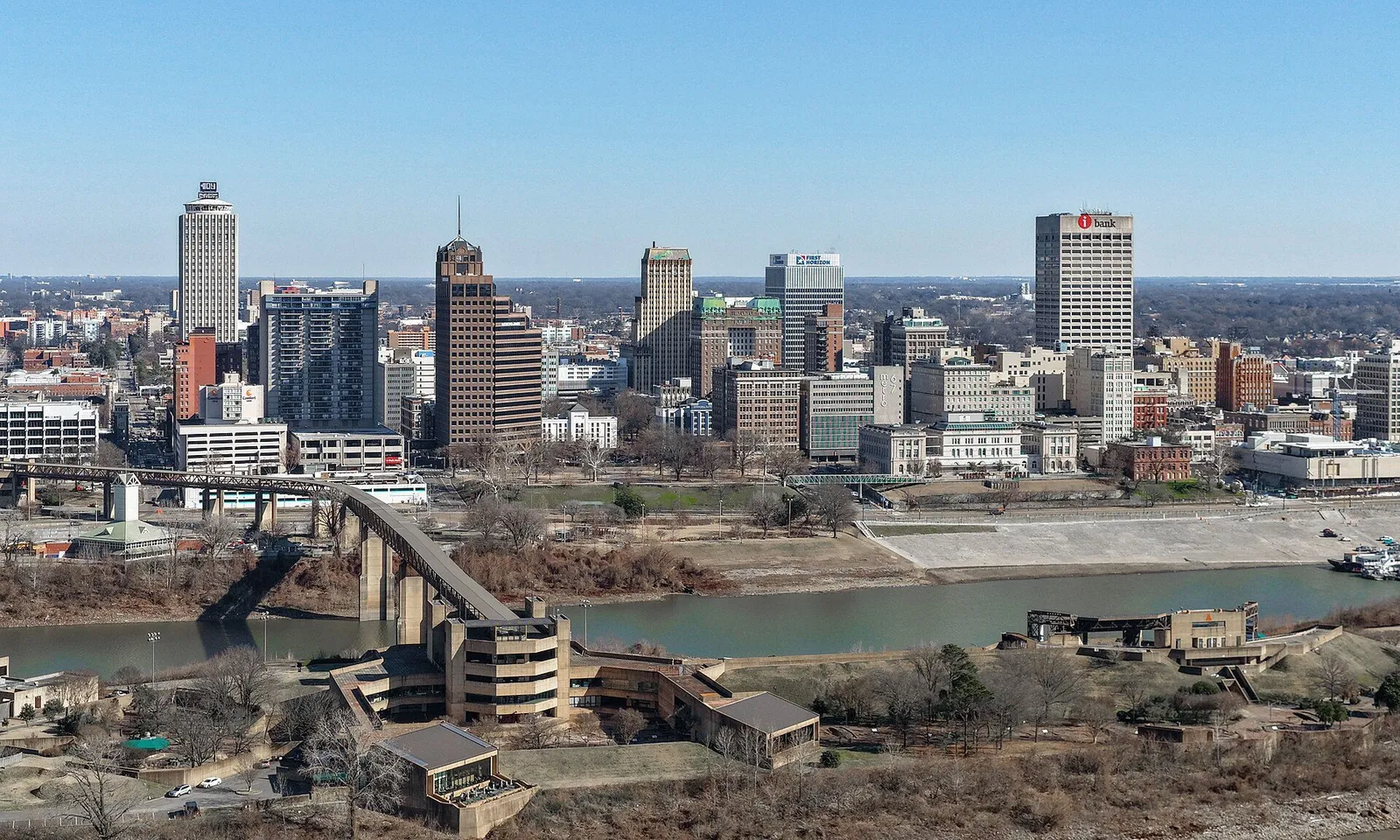
Memphis is the Mississippi River city where American music's three great streams, blues, soul, and rock and roll's first chapter, all broke surface: Beale Street's clubs, Sun Studio's front room, Stax's soul floor, and Graceland, the second most-visited house in America after the White House. The National Civil Rights Museum at the Lorraine Motel gives the city its moral center and its single most essential visit. Beyond music, Memphis means dry-rub ribs at serious barbecue joints, a 9.75 percent sales tax, and hot, humid summers that argue for spring and fall visits. The city suits music pilgrims, food travelers, and history-minded visitors, works well on a two-day pass, and pairs naturally with Nashville three hours east or New Orleans the same distance south. Downtown and the museums are compact; a car matters mainly for Graceland and Stax.
Top sights at a glance
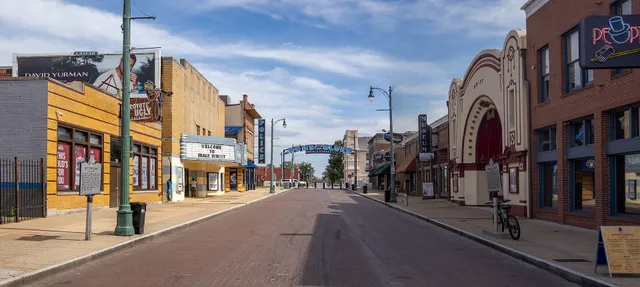
Beale Street
Three blocks of neon, juke joints, and history between Second and Fourth Streets, the street W.C. Handy christened Home of the Blues and where every Memphis musician since has paid dues. By day it is a walkable historic district of brass note-studded sidewalks, the Blues Hall of Fame, and A. Schwab, a 143-year-old general store; by night the clubs spill music onto the pavement and the street becomes a pedestrian party with a police presence at both ends. It is touristy in the way places that invented their genre are allowed to be.
Good to know · Free to stroll; club covers run a few dollars when bands play. The scene peaks Thursday through Saturday, and the brass-note walk of fame makes a self-guided stroll of the daytime street. Late night, keep the standard big-city awareness on the blocks either side; the entertainment district itself is heavily policed. The street's biggest week is the Beale Street Music Festival in early May.
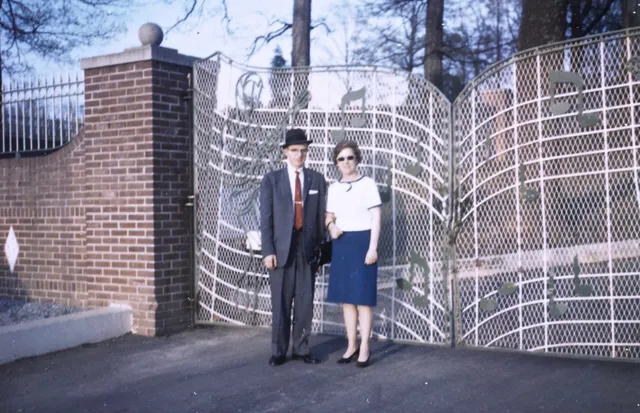
Graceland
Elvis Presley's mansion and estate, 9 miles south of downtown, the second most-visited house in America after the White House and a time capsule of 1960s and 1970s celebrity taste, from the Jungle Room's green shag to the trophy buildings full of gold records, jumpsuits, and cars. The Elvis Experience tour crosses the mansion's white columns with an iPad audio guide narrated in part by Elvis himself, then works the grounds: his parents' graves and the Meditation Garden, the racquetball building, and the entertainment complex across the boulevard holding the plane, the car museum, and the costume archive.
Good to know · Open daily 9 a.m. to 4 p.m., last mansion tour at 4 p.m.; as of 2026 the Elvis Experience tour is $85 for adults and $49 for kids, with an entertainment-complex-only option at $53/$30 and VIP tiers above, per graceland.com. Reservations are recommended, and summer weeks sell the mansion slots. Budget 3-4 hours including the complex; parking is paid on site, and the airport is next door, which is why arrival day often absorbs it.
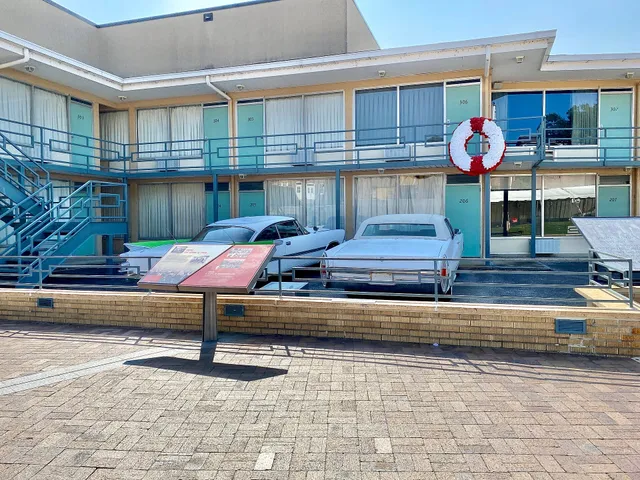
National Civil Rights Museum
Built into and around the Lorraine Motel, where Dr. Martin Luther King Jr. was assassinated on the balcony outside room 306 on April 4, 1968, the museum traces the American civil rights movement from the transatlantic slave trade through the Montgomery bus boycott, the sit-ins, the March on Washington, and the sanitation workers' strike that brought King to Memphis, to the movement's afterlives. The preserved motel facade, the wreath on the balcony, and the boarding-house window across the courtyard from which the shot came are the visit's still center. Plan two to three hours and let it reset the rest of your Memphis understanding.
Good to know · Admission is $25 for adults, $23 for seniors and college students, $22 for children 5-17, closed Tuesdays, open 9 a.m. to 5 p.m. other days, per civilrightsmuseum.org; Tennessee residents get free Monday-afternoon entry with ID. The museum sits 15 minutes south of Beale Street; street parking and a paid lot serve it. Book the first entry slot of the day in peak seasons, and go before Beale Street, not after; the chronology works better that way.
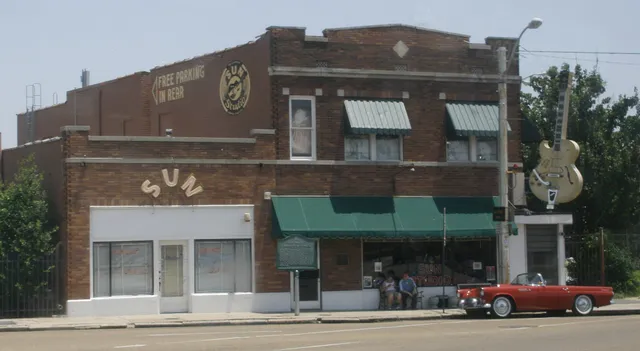
Sun Studio
The modest storefront studio at 706 Union Avenue where a 19-year-old Elvis Presley recorded That's All Right in 1954 and rock and roll found its formula, and where Howlin' Wolf, B.B. King, Johnny Cash, Jerry Lee Lewis, and Roy Orbison also cut sides for Sam Phillips. The 40-minute guided tour works the tiny front room, the restored control booth, and the actual studio floor with its original microphone, where the Million Dollar Quartet famously gathered around a piano; visitors may stand where Elvis stood, which most do. It is all small, excellent, and honest about the accidental chemistry of it all, and at $20 admission, 2026's posted rate, it is also the best value among Memphis's music museums.
Good to know · Open daily 10 a.m. to 5:15 p.m. with tours running hourly on the half hour from 10:30 to 4:30, no reservations, first come first served, $20 for adults and $15 for children 5-11, pricing posted as of January 2026 at sunstudio.com. Arrive at least a tour ahead in summer. The studio sits between downtown and Midtown; the free studio shuttle that historically linked it with Graceland and the depot museums is worth asking about at the counter, since schedules change.
Stax Museum of American Soul Music
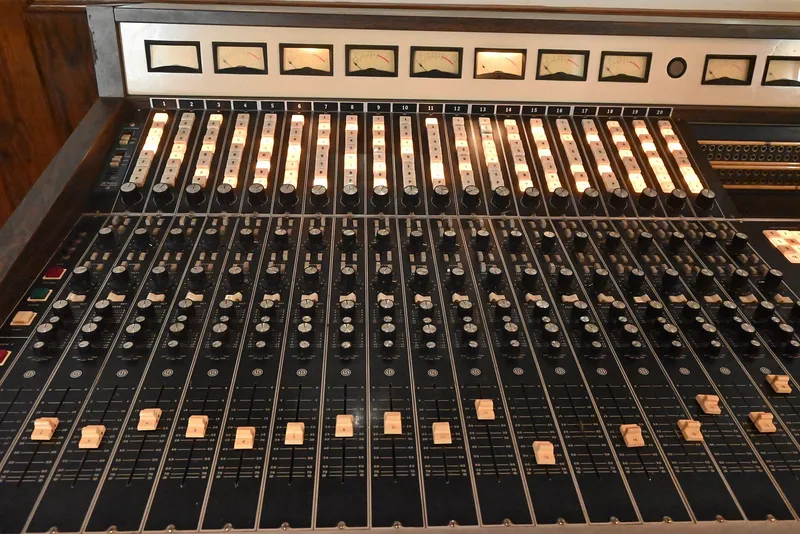
On the site of the old Stax Records studio in the Soulsville neighborhood, a mile and a half south of downtown, this museum tells the story of the Memphis soul label where Otis Redding, Isaac Hayes, Sam and Dave, Booker T. and the M.G.s, and the Staple Singers made records that crossed the segregated South's lines by force of groove. The rebuilt complex recreates Studio A where the house band cut Green Onions and (Sittin' On) The Dock of the Bay, displays Isaac Hayes's gold-trimmed car and cape, and honors the neighboring music academy and school that carry the label's mission on. It is the deepest music-history hour in a city of them.
Good to know · Admission is $20 for adults and $16 for ages 7-12 and 62-plus, with veteran, military, and AAA discounts at the same $16 rate, last admission 4 p.m.; current hours are posted at staxmuseum.org. An hour and a half suffices; combine with a Soulsville drive past the academy. The museum is an easy 8-minute drive or rideshare from the National Civil Rights Museum, and the two make a natural serious-Memphis afternoon.
Memphis is a city with a river, a sound, and a conscience, and it wears all three without decoration. The Mississippi marks its western edge with sunsets over Arkansas; the sound is American music’s trunk line, blues born on Beale Street, soul cut at Stax, and the first rock and roll captured on tape at Sun Studio; the conscience is the National Civil Rights Museum at the Lorraine Motel, which turns a tourist trip into something more honest. The city that produced all this is unpretentious, majority-Black, proud of its barbecue and its grit, cheaper than Nashville two hours east, and best understood through its music venues and its museums in equal measure. Come for two days, eat seriously, and let the city’s complexity be part of the visit rather than an obstacle to it.
A Bit of History
Memphis grew from a cotton and lumber river town into the Midwest-South’s trading capital, and its musical century began when Black musicians brought country blues up from the Delta to Beale Street’s theaters and clubs in the early 1900s; W.C. Handy wrote the first published blues here. In the 1950s Sam Phillips recorded the Black bluesmen the major labels ignored, then the white teenagers, led by Elvis, who had listened to them; Sun Studio’s output and the label’s motto, We Record Anything, Anywhere, Anytime, made Memphis rock and roll’s birthplace alongside a hundred other claims. Stax Records in the 1960s answered with Southern soul, integrated house band and all, until its collapse and partial rebirth as today’s museum and music academy.
The city’s civic history runs harder. Dr. King came in 1968 to support the sanitation workers’ strike and was assassinated at the Lorraine Motel on April 4, a wound the National Civil Rights Museum now tends directly. Yellow fever epidemics, the city’s 1870s near-collapse, and the slow late-20th century decline of river and freight economies all shaped a city that today runs on logistics (FedEx’s world hub is here), medical research, and music tourism. Memphis in May, a month-long festival of music and barbecue, is the modern calendar’s peak.
Culture & Daily Life
Memphis moves slow and speaks direct. The music venues, not the museums, are where the city breathes nightly: Beale Street’s tourist core, plus the off-Beale clubs in the South Main and Cooper-Young districts where locals actually listen. Two practical notes for visitors: first, Tennessee’s combined sales tax in Memphis runs 9.75 percent, among the highest in the country, added at the register to everything, so the sticker is never the total; second, the city’s poverty is visible and its downtown has quiet blocks, so the normal rule of minding where you walk at night applies more than in resort towns, without any drama about it. Guns, the topic some first-timers raise: Tennessee’s rules are mainstream American, and the practical tourist reality is ordinary city common sense, not the news.
Memphis is also a college-sports town, a FedEx town where planes overhead are the local birdsong, and a place where strangers talk to you. Tipping runs 18-22 percent at tables, $1-2 per drink, with the arithmetic at /guides/tipping-and-sales-tax/. If your trip crosses the first weekend of May, book around the Memphis in May festival early; the city fills.
Nature & the Outdoors
Memphis is not an outdoor city, but the Mississippi gives it a spine: Tom Lee Park, the riverside lawn downtown named for the Black riverboat worker who single-handedly rescued 32 people from a capsized steamer in 1925, holds the Memphis in May stages and the sunset view. The Harahan Bridge’s Big River Crossing, a converted rail bridge with a boardwalk over the river to Arkansas, is the free modern addition, a mile each way with the skyline behind you. Mud Island River Park’s scale model of the lower Mississippi has run on seasonal schedules in recent years, so check before promising the kids.
Outdoors here is mostly weather planning: summers run hot and humid enough (90s Fahrenheit with wet air) to move activities indoors by early afternoon, and spring thunderstorms are serious, tornado-warned systems; know where your shelter is in April and May, and take warnings seriously. For travelers, the practical outdoors risk is the heat and the sun, so carry water on any river walk, and sort medical insurance before the trip at /guides/health-insurance-safety/ because an uninsured American ER bill is the most expensive souvenir in the country.
Food & Drink
Memphis is a barbecue town with a music problem. The style is pork, low and slow over charcoal, and the two signature moves are dry-rub ribs, dusted with spice and sauced only if you ask, and pulled-pork sandwiches crowned with vinegar slaw; the pork-shoulder plate with beans and macaroni is the full liturgy. The joints cluster east of downtown and along the southern arteries, lines at the famous ones at noon, and the argument over which is best is a civic sport you can enter by eating at several. Beyond the pits: hot tamales, a Delta tradition served by the half-dozen; fried catfish plates; and a burger-and-diner scene that punches above its weight. Soul food kitchens serve the plate lunches, fried chicken, turnip greens, candied yams, that fueled the Stax house band.
Budget US$15-30 at barbecue joints and soul kitchens, US$50-80 with drinks at the upscale Southern rooms. Tipping 18-22 percent is standard, and with sales tax at 9.75 percent, expect the check to run a fifth over menu price before the tip, a full arithmetic lesson at /guides/tipping-and-sales-tax/.
Top Sights
Beale Street
Start Memphis on Beale, day or night, because it is the city’s front porch. The daytime version is historic-district manageable: the brass music-note plaques set in the sidewalk honoring everyone from Handy to Justin Timberlake, the Blues Hall of Fame’s compact museum on the corner, the old diners and the 143-year-old general store selling everything from overalls to voodoo supplies with a straight face. The evening version is the party: club after club with live blues, soul, and rock, bands audible from the street, covers of a few dollars, and the neon fully lit from Second to Fourth.
Two timing notes. Thursday, Friday, and Saturday nights are the full experience and also the most tourist-heavy; Sunday and weeknight evenings often have the better music-to-crowd ratio, with locals in the clubs off the main blocks. And the street sits two blocks from the Main Street trolley and the river, so it folds easily into a downtown day. The free-speech block at street’s east end sells its own kind of Memphis theater; give it a respectful minute and move on.
Graceland
The numbers do the scene-setting: 13.8 acres, a 1939 colonial-revival house Elvis bought at 22 for about $100,000 in 1957, and after his death in 1977 an estate that became the pilgrimage site of American pop. The mansion tour is deliberately intimate, rooms behind velvet ropes exactly as the family left the private floor, and the audio guide’s home-movie narration gives it an honesty that surprised the architecture critics. The estate museum complex across Elvis Presley Boulevard holds the cars, the jumpsuits, the gold records, and the two planes, one named for his daughter, with the Lisa Marie’s gold fixtures intact.
Practicalities as of 2026: open daily 9 a.m. to 4 p.m., Elvis Experience at $85 adult/$49 child, the complex-only Memphis+Planes ticket at $53/$30, VIP tiers above; book ahead at graceland.com, especially March-through-summer. The visit needs half a day with transport, since it is 9 miles from downtown next to the airport; the resort hotel complex on site makes an overnight alternative if the pilgrimage deserves the full treatment. Seniors, AAA, military, and Canadian residents get documented discounts, worth checking at booking.
National Civil Rights Museum
The Lorraine Motel’s facade, balcony, and room 306 are preserved as they were on April 4, 1968, and the museum built behind and across the street turns that site into a narrative of the long American freedom struggle, from the economics of the slave trade through resistance, reconstruction, Jim Crow, and the movement’s organizations and martyrs, into the present. The exhibits are dense and multimedia, the lunch counter sit-in reconstruction and the bus boycott’s organizing room among the strongest pieces, and the whole builds toward the courtyard where the wreath hangs outside the balcony and the window across the way explains the shot.
Admission is $25 adult, $23 senior and college, $22 child, closed Tuesdays, 9 to 5 otherwise, with Tennessee-resident free Monday afternoons; the museum’s own site, civilrightsmuseum.org, has current details. Two to three hours is right; pair it with the Stax Museum for a full serious-Memphis day. Photography is allowed except where posted; the balcony’s respect is self-explanatory. Visitors consistently rank it among the most affecting museums in the country; schedule something gentle afterward, the river park works.
Sun Studio
706 Union Avenue, unmissably modest, and inside it the room where, on one July evening in 1954, Elvis, guitarist Scotty Moore, and bassist Bill Black fooled around with a blues number during a break and Sam Phillips kept the tape: That’s All Right, the agreed-upon first rock and roll record. The tour, guided by people who clearly love the material, takes 40 minutes and ends on the studio floor with the microphone; everyone gets their photo with it, and everyone should. The walls do the rest, with the label’s acetates and the stories of Cash, Howlin’ Wolf, and the Million Dollar Quartet, the impromptu 1956 session of Elvis, Cash, Lewis, and Carl Perkins that a photographer caught.
The mechanics favor the spontaneous: open daily 10 to 5:15, hourly tours at the half hour from 10:30 to 4:30, no reservations, $20 adults and $15 kids 5-11 as posted in January 2026. It is 5 minutes from downtown by car, and the upstairs soda fountain, a 1950s-period revival, is the right ending. If the connection to Graceland matters, note the historical shuttle arrangement between the sites and ask at the counter about same-day logistics.
Stax Museum of American Soul Music
Soulsville, the neighborhood around the old Stax studio at 926 East McLemore, produced a sound so identifiable it needs only its first names, Otis, Isaac, Sam and Dave, Booker T, the Staple Singers, Rufus and Carla Thomas, and the museum rebuilt on the studio’s footprint tells the whole arc: the label’s 1957 start in a country-music theater, the integrated house band that defined Memphis soul, the 1968 upheavals and the label’s 1975 bankruptcy, and the rebirth as a music academy whose students rehearse audibly next door. The reconstructed Studio A, the sloped floor and the guitar-amp room, is the pilgrim’s moment; Isaac Hayes’s gold-trimmed Super Fly car and 3,000-plus items of ephemera fill the rest.
Admission has run in the mid-teens to low twenties, children less; staxmuseum.org’s booking page carries live pricing and hours, which shift seasonally. Ninety minutes covers it well. The museum sits 8 minutes by car from the National Civil Rights Museum, and the drive between them crosses the neighborhoods the music came from, which is part of the point.
Getting There & Around
Memphis International (MEM), 15 minutes from downtown and famous as FedEx’s world hub, is the airport, with nonstops to most major hubs; the airport sits between downtown and Graceland, which makes arrival-day Graceland runs efficient. Amtrak’s City of New Orleans calls once daily each way, Chicago to New Orleans through Memphis, an overnight-plus ride either direction. I-40 crosses the river here, making Memphis a natural stop on any cross-country drive.
Downtown and the South Main district walk and ride the Main Street trolley fine; the music sites fan out south (Graceland, Stax, civil rights museum) and east (Sun Studio, barbecue), so a car or a series of rideshares is the practical plan. Parking downtown runs cheap by big-city standards. Drive times worth knowing: Nashville 3 hours east, New Orleans 3.5 south, Oxford, Mississippi 75 minutes south.
Where to Stay
Downtown and South Main put you walkable to Beale Street, the river, the trolley, and the civil rights museum, in a district of converted warehouses and small hotels, some with resort-style fees at the top end. The medical center/Midtown area, east, trades river views for proximity to Sun Studio, the zoo, and the Cooper-Young restaurants. Graceland’s own resort complex, out by the airport, suits the full-immersion pilgrim. Whatever the pick, rates spike in early May for Memphis in May and during March basketball, and the practical math, room tax plus fees, is worth running through /tools/real-price-calculator/ before booking.