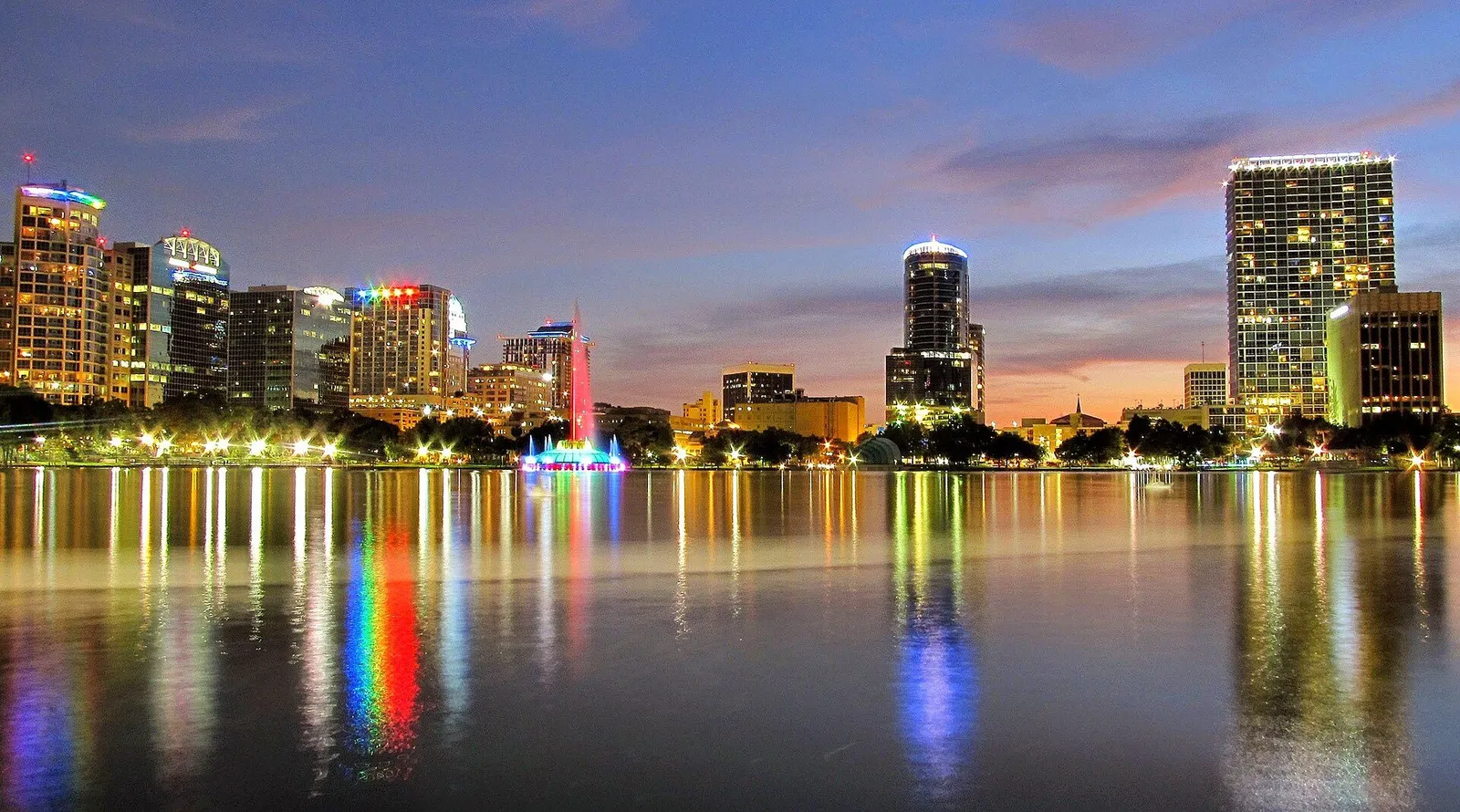
Orlando is the most visited vacation destination in the United States, built around the largest concentration of theme parks on earth: Walt Disney World's four parks, Universal Orlando's three theme parks including the new Epic Universe, and a water park for every afternoon. The wider region adds the Kennedy Space Center on the Atlantic coast an hour east, a walkable downtown around Lake Eola, and the leafy lakeside old town of Winter Park with its 1938 boat tour. Orlando suits families above all, but it also works for adults who plan like adults: tickets are date-priced and cheaper per day the longer you stay, resort fees and 12 percent-plus lodging taxes are real money, and the parks reward early mornings. Give it five to seven days for the parks plus a coast day, and buy tickets before you book anything else.
Top sights at a glance
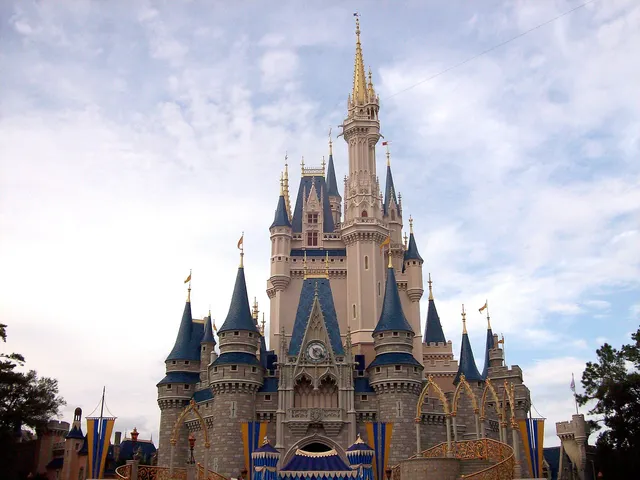
Walt Disney World
The largest and most-visited resort on earth, roughly the size of San Francisco, holding four theme parks (Magic Kingdom, Epcot, Hollywood Studios, Animal Kingdom), two water parks, and scores of resort hotels. It is the definitive family trip and an engineering of detail nobody else matches, from the nightly fireworks over Cinderella Castle to the woven storylines of Epcot's World Showcase. First-timers should think in days, not attractions: each park absorbs one full day.
Good to know · Tickets are date-based: 1-day, 1-park prices run roughly US$120-190 depending on the day and park, and multi-day tickets drop the per-day cost sharply; Park Hopper costs extra. Standard date-based tickets no longer require theme park reservations as of 2026, but confirm current policy when buying at disneyworld.com. Book dining 60 days ahead in the app.
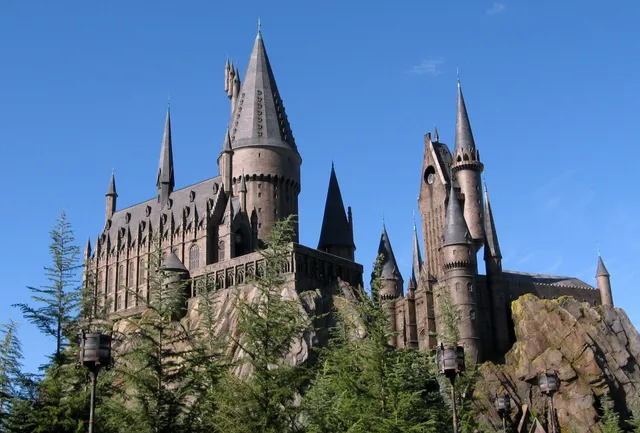
Universal Orlando
Universal's Orlando resort now runs three theme parks: Universal Studios Florida, Islands of Adventure, and Epic Universe, opened May 22, 2025, with five lands including Super Nintendo World and a Ministry of Magic expansion of Harry Potter's world, plus the Volcano Bay water park. The studio rides lean thrill-first, the Harry Potter areas are the most immersive environments ever built, and Epic Universe's technology sets a new bar for the industry.
Good to know · Buy date-based tickets at universalorlando.com: 1-day 1-park pricing is seasonal (budget from around US$120), multi-park and multi-day combos drop the per-day rate, and Epic Universe is ticketed as its own gate, so plan which park gets which day. Express Pass is a separate paid shortcut that costs several times more in peak weeks; hotel guests at the top on-site resorts get it included.
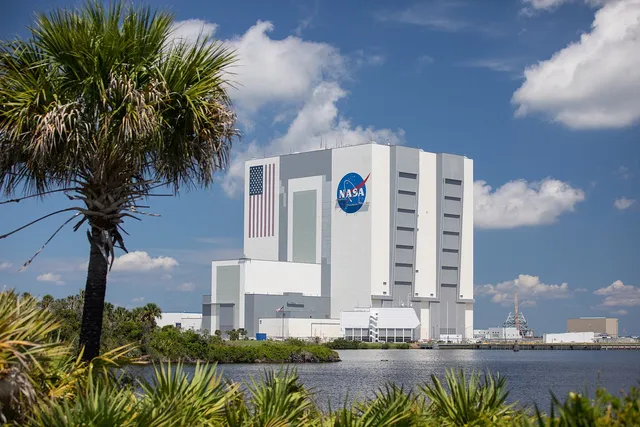
Kennedy Space Center
The working spaceport where Apollo's Moon rockets left Earth, now a full-day visitor complex an hour east of Orlando. Included bus tours run out to the launch infrastructure, the Apollo/Saturn V Center parks you under a real 363-foot Moon rocket, the Space Shuttle Atlantis building hangs an actual flown orbiter, and veteran astronauts give daily talks. On launch days, the region stops and watches: timing a visit to a Falcon 9 launch is the single best day in Florida.
Good to know · 1-day admission (budget roughly US$75-85 for adults, check kennedspacecenter.com) includes the bus tour; allow a full day, and drive or book a shuttle tour since public transit does not reach it. Check the launch calendar before you book dates, arrive very early on launch days, and note special launch-viewing tickets sell out fast.
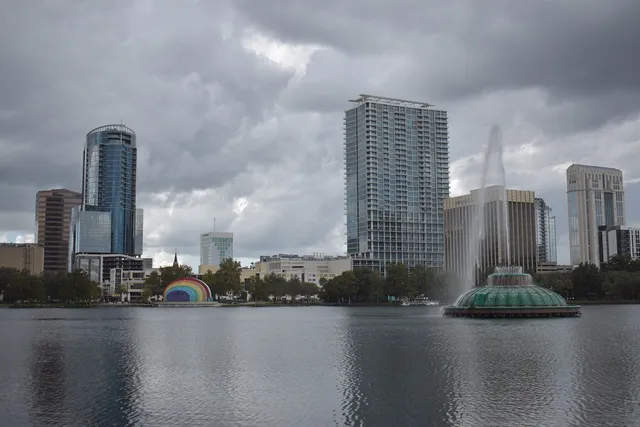
Lake Eola Park
Downtown Orlando's formal front yard, a free public park wrapped around a sinkhole lake, with a 0.9-mile sidewalk loop, real swans on the water, and the city skyline framed behind the Linton E. Allen Centennial Fountain. The city rents pedal-powered swan boats for slow laps under the fountain, the Walt Disney Amphitheater hosts weekend concerts, and a Sunday farmers market fills the east shore. It is the calmest, cheapest half-day in the region.
Good to know · Free entry, open daily; the swan boats rent from the dock on limited hours (reserve through orlando.gov). Street and garage parking surround the park, and brunch spots line the north side. Go at dusk on a clear day for the fountain-plus-skyline photograph, and pair it with the cafes of the adjacent Thornton Park district.
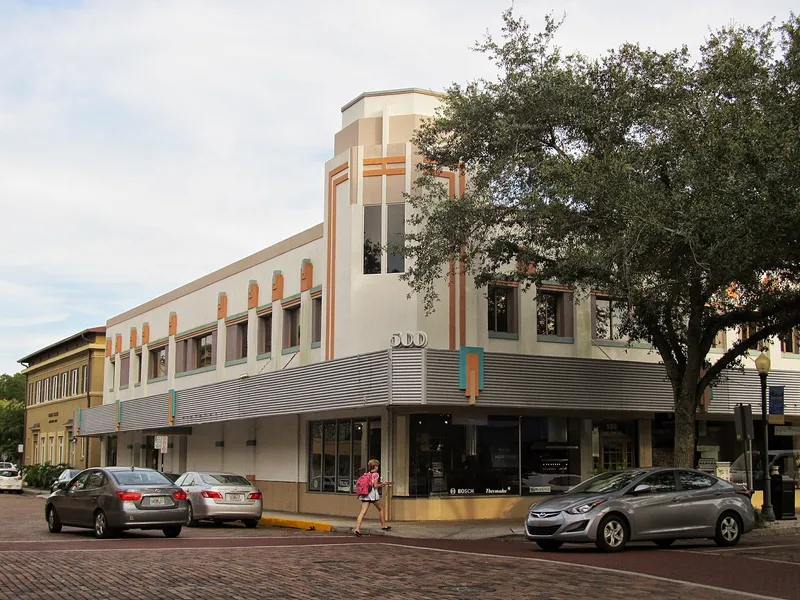
Winter Park
The old-money lake town Orlando grew around, 15 minutes north of downtown: brick-paved Park Avenue under oak shade, boutiques and art-house cinemas, the Morse Museum's Tiffany glass collection, and a chain of six lakes connected by narrow hand-dug canals. The world-famous Scenic Boat Tour, running since 1938, threads those canals on pontoon boats past the estates, and it remains the best dollar-for-hour sight in the region.
Good to know · The Scenic Boat Tour runs hourly from 10 a.m. to 4 p.m. from 312 E Morse Blvd, first come first served, $20 for adults and $10 for children 2-11 as of October 2026 (scenicboattours.com). Amtrak's Silver Star and the commuter rail both stop in Winter Park, so it works as a car-free half-day; Saturdays bring a farmers market to the park by the dock.
Orlando is the most visited tourist city in the United States, and the honest description is that it is two places at once. One is the theme park engine: Walt Disney World’s four parks, Universal Orlando’s three theme parks and water park, dozens of smaller attractions, and a hotel belt along International Drive that exists to fill beds. The other is a genuine mid-sized Florida city, with a small but lively downtown built around Lake Eola, oak-shaded old neighborhoods, a credible food scene, and the lovely lakeside town of Winter Park next door. First-timers mostly come for the first Orlando and are surprised by the second. The practical skill of this destination is planning: park tickets are date-priced and reward longer stays, dining books out weeks ahead, and the best non-park day (rockets on the Space Coast) sits an hour east. Do that planning, and Orlando delivers some of the most reliable fun you can buy in America.
A Bit of History
Orlando began in 1850s frontier Florida as a small county seat around a fort, variously explained as named for a soldier, a settler, or Shakespeare’s character, and spent its first century as a cotton, then citrus market town. The citrus belt froze in the great 1894-95 cold snap and again in the 1980s, and the groves that ringed the city slowly gave way to subdivisions. The decision that created modern Orlando belonged to Walt Disney, who secretly bought 27,000 acres of swampland and scrub southwest of town in the mid-1960s and opened Walt Disney World on October 1, 1971; the resort absorbed more land and more parks over the following decades and pulled the entire regional economy into its orbit.
Universal followed in 1990, SeaWorld had arrived in 1973, and the convention industry built the hotel corridors to match, making Orlando by the 2010s the most-visited destination in the country, drawing tens of millions of visitors a year. The next chapter arrived on May 22, 2025, when Universal opened Epic Universe, its first new park in decades, on a 750-acre site a few miles south, and the arms race started over.
The city itself, meanwhile, diversified beyond tourism into tech, simulation training, health care, and a downtown renaissance anchored by the Amway Center arena and the Dr. Phillips Center for the Performing Arts. The downtown you will see is small, young, and lake-spotted, and it is worth a day of your trip even if you never meet a mascot.
Culture & Daily Life
Daily life in Orlando runs on the industry’s clock. The tourism corridors fill early (park gates open around 9 a.m., rope-drop crowds arrive by 8) and empty mid-afternoon, when locals do errands and visitors retreat from the heat; the whole region ages in dog years between school calendar seasons, so a Tuesday in February and a Saturday in July are different cities. Locals are used to visitors and genuinely friendly in the Florida way, meaning unhurried and happy to give directions to the good taco place.
A few practical notes shape your stay. First, Florida sun is serious: highs run from warm in winter to brutal (low 90s F) and humid in summer, with thunderstorms most summer afternoons, so plan rides and shows indoors for the afternoon and drink water steadily; heat illness among park guests is common enough that every park has first aid stations, and travel insurance matters before any of it, per /guides/health-insurance-safety/. Second, alcohol is legal to 21 with photo ID enforced at every bar door, and CityWalk and downtown IDs get checked hard. Third, the Orlando economy is tipped-service economy everywhere you go: 18-22 percent at tables, $1-2 per drink, per the arithmetic at /guides/tipping-and-sales-tax/.
The useful action: decide your park days before you book hotels, since ticket prices swing by date (peak weeks cost a third more) and the cheaper dates dictate everything else in your itinerary.
Nature & the Outdoors
The natural Florida is closer than the parking lots suggest. Orlando sits among lakes (the Orlando metro counts more than a hundred named ones), and the city’s grid bends around them: Lake Eola downtown, the Winter Park chain of six lakes to the north, Baldwin Park’s lake loop, and the Butler Chain in the southwest suburbs where locals ski at dawn. Real swamp and pine flatwoods survive in the public estate: the Tibet-Butler Preserve sits right in the tourist corridor, Wekiwa Springs State Park, 30 minutes north, holds a first-magnitude spring where you swim in 72-degree water year-round, and the Econlockhatchee River threads blackwater paddling through the city’s eastern edge.
Wildlife is everywhere if you look up and down: ospreys and sandhill cranes over the lawns, gators in nearly every freshwater lake (observe from distance, never feed them), and manatees down at the coast in winter. The Atlantic beaches at Cocoa Beach and Canaveral National Seashore sit about an hour east and pair naturally with a Kennedy Space Center day.
Practical outdoor cautions: the sun burns fast even on cloudy afternoons, summer thunderstorms arrive on schedule (get off the water by mid-afternoon), and freshwater lakes are gator habitat, so swim only in designated spring and beach areas. Mosquitoes are serious from June through September; bring repellent. Medical care is excellent but wildly expensive without insurance, so sort coverage before you swim, paddle, or sprint across a park at /guides/health-insurance-safety/.
Food & Drink
Orlando’s food reputation has quietly outrun its tourist-corridor stereotype. The best eating clusters in the city’s real neighborhoods: the Mills 50 district north of downtown for Vietnamese and pan-Asian (Orlando has one of America’s largest Vietnamese communities), the Hourglass District for neighborhood bistros, Winter Park’s Park Avenue for the polished end, and the food halls downtown and in the Milk District, where local chefs run stalls that would hold their own in bigger cities. The tourist zones are not food deserts either, but prices carry a park-adjacent premium and quality thins out on the big commercial strips.
Florida specialties to chase: Cuban sandwiches (pressed, with pork and pickles), key lime pie, fresh Gulf and Atlantic seafood, stone crab in season, and the great regional breakfast, arepas and cafecito in the Puerto Rican and Cuban bakeries that the region’s huge Puerto Rican community (the largest on the mainland) runs across the metro. Gator bites exist and taste like chicken with better marketing; order them once for the story.
Budget expectations: tourist-corridor casual runs US$18-30 a head, real-neighborhood restaurants US$15-25, and the theme-park table-service meals US$30-60 with reservations booked far ahead. Tipping is standard American: 18-22 percent at tables, $1-2 per drink, 10-15 percent for delivery (/guides/tipping-and-sales-tax/). Florida’s state sales tax is 6 percent (Avalara), with Orange County additions bringing most registers to around 7 percent, always added on top of the menu price.
Top Sights
Walt Disney World
The scale takes a day to comprehend: Walt Disney World covers roughly 47 square miles, holds four distinct theme parks, and no first visit should try to compress it. Magic Kingdom is the castle-and-fireworks park and the essential first day; Epcot pairs future-tech rides with a circumnavigation of world pavilions and the best drinking afternoon on property; Hollywood Studios carries the Star Wars and Toy Story lands; Animal Kingdom mixes a real safari with the best single ride in the resort. Water parks (Typhoon Lagoon, Blizzard Beach) make sense on trips longer than five days.
The ticketing system is the part to understand before you pay. Prices are date-based: the same 1-day ticket costs meaningfully less on a February Tuesday than a July Saturday, 1-day 1-park prices run roughly US$120-190 depending on day and park, and multi-day tickets (up to 10 days) drop the per-day cost dramatically, so a 4-park, 4-day base ticket is the standard first-timer buy. Park Hopper (park-to-park same-day entry) and water-park options cost extra. As of 2026, date-based tickets no longer require advance theme park reservations (Disney retired that requirement for standard tickets), though annual passholders still manage reservations and policies shift; confirm at disneyworld.com at purchase time. Two more systems matter: Lightning Lane (the paid line-skipping tiers, which replaced Genie+ in 2024) and dining reservations, which open 60 days out and vanish fast for character meals and popular dinners. Rope-drop (arrive before opening) is worth more than any paid upgrade.
Universal Orlando
Universal’s pitch is the thrill-and-immersion park, and with Epic Universe’s opening on May 22, 2025, it now fields three full theme parks: the original Universal Studios Florida (movie-based rides, Diagon Alley), Islands of Adventure (Marvel, Jurassic Park, and the original Hogsmeade), and Epic Universe, a 110-acre park with five lands: Celestial Park, Dark Universe, the Isle of Berk, Super Nintendo World, and The Wizarding World of Harry Potter: Ministry of Magic. Volcano Bay, the water park, rounds out the resort, and CityWalk’s bars and restaurants sit between the gates and make the free evening venue.
Epic Universe is ticketed separately as its own gate (multi-park combos bundle it at higher tiers), which makes the central planning decision simple: decide how many days you have and split them. Two full days (one park day each at the original two parks, or a park-to-park combo) plus one Epic Universe day covers most first-timers; date-based pricing applies here too, with 1-day tickets from around US$120 in slower seasons and much higher at peaks, all at universalorlando.com. Express Pass, the paid skip-the-line tier, is genuinely useful on 10/10 crowd days and genuinely expensive; the lo-fi alternative is the same as at Disney, arrive at the gate 45 minutes early and ride the headliners first.
Kennedy Space Center
An hour east of the parks, where Merritt Island meets the Atlantic, the Kennedy Space Center Visitor Complex is the real thing: an active NASA spaceport with rockets on the pads and a museum campus built around flown hardware. Admission includes bus tours out across the complex to the Apollo/Saturn V Center, where the show builds to a full-size 363-foot Moon rocket lying in state; the Space Shuttle Atlantis building suspends an actual orbiter at an angle that still startles; and astronauts give daily talks. Budget a full day, budget roughly US$75-85 for adult 1-day admission as of October 2026 (verify at kennedspacecenter.com), and rent a car or book a shuttle day tour since transit does not reach the gate.
The upgrade that money cannot regularly buy is a launch. Falcon 9 flights lift off from the Cape every few weeks, the region watches from beaches and causeways, and the visitor complex sells launch-viewing tickets that sell out quickly when the schedule firms up; check the launch calendar before locking your dates and build the day around it. Wildlife bonus: the spaceport sits inside the Merritt Island National Wildlife Refuge, so the drive out crosses genuine manatee and bird habitat.
Lake Eola Park
Downtown’s round lake is the city’s best free hour, and the antidote to ten thousand steps of pavement. A 0.9-mile sidewalk loop circles the water with the skyline rising behind the Centennial Fountain, real swans and scores of ducks patrol the shore, and the city rents the famous swan-shaped pedal boats from the dock in limited hours (reserve via orlando.gov). The Walt Disney Amphitheater at the east end hosts free and ticketed concerts, the Sunday farmers market draws the whole neighborhood, and the cafes of Thornton Park sit one block east.
Come late afternoon: the light turns gold, the fountain cycles, and the temperature finally forgives you. Street parking and garages ring the park, and it connects on foot to downtown’s restaurants and the Dr. Phillips arts center. If your trip is all parks and I-Drive, schedule this on an arrival or departure day when you need a soft landing.
Winter Park
Fifteen minutes north of downtown, Winter Park is what Orlando’s founders’ grandchildren built: a 19th-century winter resort town of lakes, oaks, and brick streets around a genuinely handsome shopping avenue, Park Avenue. The museums punch far above the weight: the Morse Museum houses a leading collection of American art glass, best known for its Louis Comfort Tiffany holdings, including chapel interiors, and the Cornell Fine Arts Museum sits on the Rollins College campus by the water.
The signature experience is the Scenic Boat Tour, running since 1938: hour-long pontoon cruises that thread the narrow hand-dug canals linking the chain of lakes, gliding past the back gardens of estates you will never otherwise see. Tours leave hourly from 10 a.m. to 4 p.m. at the dock on Lake Osceola (312 E Morse Blvd), cost $20 for adults and $10 for children 2 to 11 as of October 2026, and run first come first served, so arrive early on weekends; the boat runs daily except Christmas. The town is reachable without a car: Amtrak and the SunRail commuter line both stop in Winter Park, which makes this the region’s easiest car-free half-day.
Getting There & Around
Orlando International (MCO) is the main airport, 20-30 minutes from the theme park corridor and downtown; it is a major hub with heavy domestic and international service. Ground options: rental cars dominate (family travel here is car-based), rideshares to the parks corridor run roughly US$30-50, and the Brightline intercity rail station at the airport connects Orlando to South Florida cities since 2023, handy for Miami-combined trips.
Inside the region, driving is the honest answer: the parks sprawl across a 20-mile arc, and while I-Ride trolleys and Lynx buses crawl along International Drive, and rideshares work fine for couples, a family with park days needs a car or a hotel shuttle for sanity. Parking at the parks costs US$30-40 per day per car. The exception pattern worth copying: rent the car for the Kennedy Space Center day and beach day, use rideshares for Universal and Disney days if you prefer not to drive. Amtrak’s Silver Meteor and Silver Star serve the downtown and Winter Park stations on the New York-to-Miami corridor, and daylight departures make Orlando a workable rail stop.
Where to Stay
The geography decision dominates everything. The Disney-side resorts and Lake Buena Vista hotels put you closest to the mouse, usually with shuttle service and extended park hours for on-property guests; the Universal-area hotels along Kirkman Road suit Epic-heavy itineraries (top-tier on-site resorts bundle Express Pass, a real arithmetic case). International Drive is the budget-to-mid belt: cheapest rates, the outlets, and a straight shot to both resorts, at the cost of traffic and strip-mall scenery. Downtown Orlando and Winter Park serve adult trips that treat the parks as one excursion among several.
Budget honestly: Florida’s state sales tax is 6 percent with county additions, and Orange County lodging taxes push the combined hotel tax to roughly 12.5 percent on top of the room rate; resort fees of US$20-50 a night are widespread outside the big two resorts’ own hotels, so check the itemization with /tools/real-price-calculator/ before booking. Peak pricing follows the school calendars (March, Easter, June-August, Christmas): shifting a park-heavy trip to late January or early February saves meaningfully on rooms, tickets, and queues at once.
Sources & verification (10)
- https://www.disneyworld.com/
- https://www.universalorlando.com/web/en/us/
- https://en.wikipedia.org/wiki/Epic_Universe
- https://en.wikipedia.org/wiki/Walt_Disney_World
- https://en.wikipedia.org/wiki/Kennedy_Space_Center_Visitor_Complex
- https://en.wikipedia.org/wiki/Orlando_International_Airport
- https://www.orlando.gov/Parks-the-Environment/Directory/Lake-Eola-Park
- http://scenicboattours.com/
- https://www.avalara.com/taxrates/en/state-rates/florida.html
- https://www.visitorlando.com/