Hawaii Island Hopping: 9 Days on Oahu, Maui and the Big Island
Nine days, three flights under an hour each, and three islands that act like three different countries. This loop pairs Honolulu's history and city energy with Maui's beaches and the Haleakala summit, then hands you to the Big Island, where Kilauea has been rewriting the map of Hawaii Volcanoes National Park in real time. The guide carries the practical spine that decides whether a Hawaii trip runs smoothly: the US$1 sunrise reservation that gates Haleakala's dawn, the US$5 plus US$10 reservation system at Diamond Head, the US$1 booking fee for the USS Arizona Memorial program, interisland flight realities, and where a rental car genuinely earns its keep versus where Waikiki parking fees will rob you.
Route: Honolulu Maui Hilo
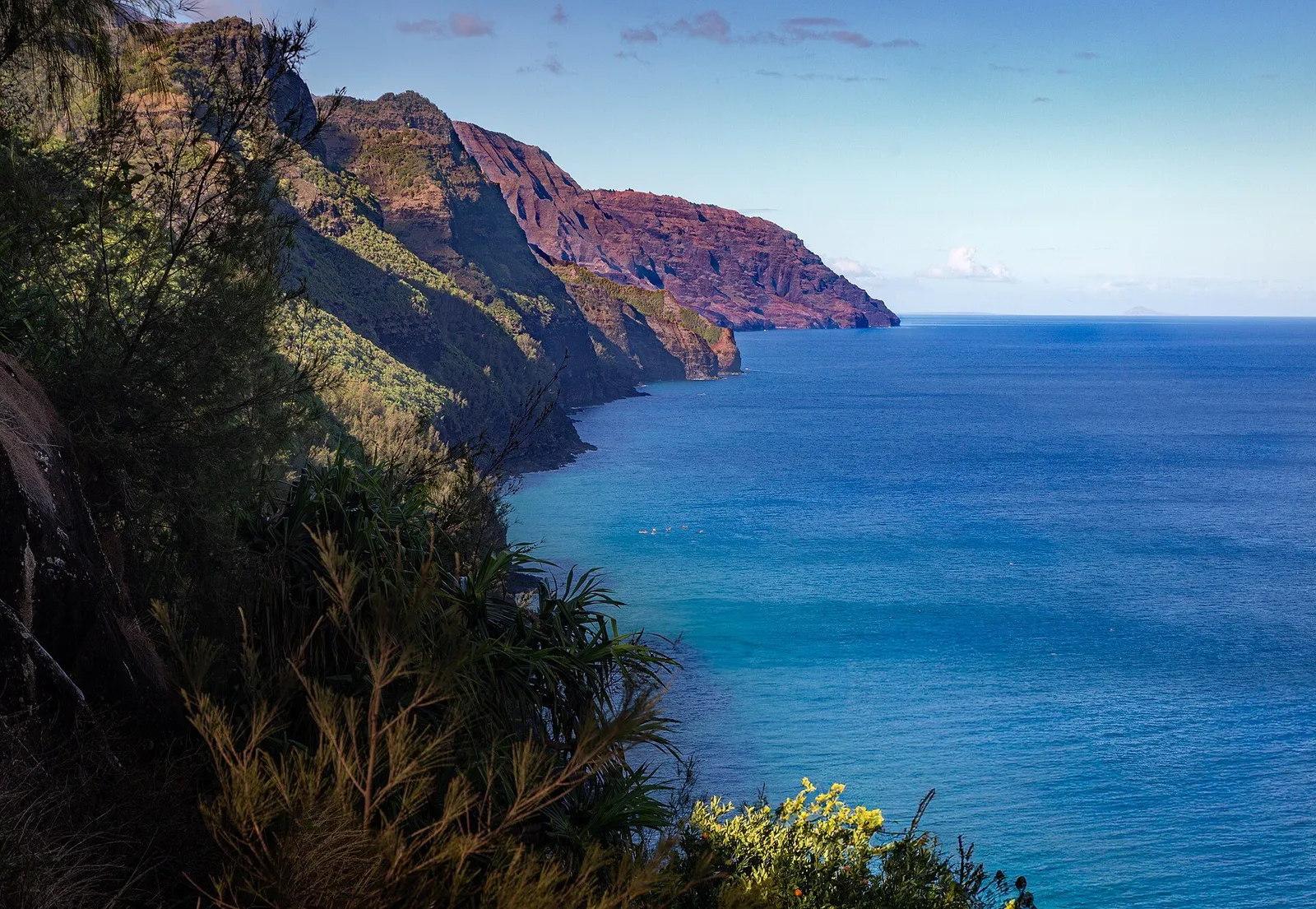
Island hopping is the correct way to see Hawaii, because Hawaii is not one destination but four to six separate worlds, and this itinerary takes the three most useful ones in order: Oahu for history and city pulse, Maui for beaches and a sunrise above the clouds, the Big Island for an active volcano. Interisland flights are short, frequent and cheap if booked early, but each island needs its own rental car math, and the headline experiences all sit behind reservations. Haleakala’s sunrise, Diamond Head’s trail and the USS Arizona Memorial program each require advance booking systems that sell out. Lock those three reservations the moment your flights are fixed, then everything else falls into place.
Day 1: Land in Honolulu, Settle into Waikiki
Land at Daniel K. Inouye International Airport and take a rideshare or taxi the twenty minutes to Waikiki, because a car is dead weight here: hotels charge parking fees that can rival your dinner bill, and the neighborhood works on foot. Check in, walk to the beach, and let the jet lag dissolve on the sand while outrigger canoes slide in with the late light. Dinner along Kalakaua Avenue runs the gamut from plate lunch counters to resort restaurants, and table service tips at 18 to 22 percent, so read the bill for a service line before adding anything (our tipping guide explains the whole stack of Hawaii taxes and fees).
Practical tip: Book tonight’s dinner for sunset time rather than prime time; Waikiki restaurants empty out after 8 p.m. and the beach walk is the best free show in Hawaii.
Day 2: Pearl Harbor and Downtown Honolulu
Pearl Harbor is the day’s anchor. The USS Arizona Memorial program is free, but you reserve seats through recreation.gov with a US$1 fee per ticket, released eight weeks ahead, and prime morning slots go fast; the museum and submarine exhibits sit in the same visitor complex. Afternoon: downtown Honolulu for the Iolani Palace grounds, the only royal palace on US soil, and the state capitol district. If you would rather trade history for water, Hanauma Bay’s snorkeling reserve takes online reservations from non-residents and a per-head entry fee, but its slots are strictly limited, so book the moment your dates are fixed.
Practical tip: Bring nothing larger than a small bag; Pearl Harbor enforces the strictest bag policy of any US attraction this side of an airport, and on-site lockers are the only storage option.
Day 3: Diamond Head, Then the Windward Side
Diamond Head is Oahu’s classic short climb: 0.8 miles up from the crater floor, 560 feet of gain, bunkers and a 360-degree coastal view at the top. Non-residents must reserve entry and parking online in advance (currently US$5 per person plus US$10 per car, credit card only, gates 6 a.m. to 6 p.m.), and the first slots at sunrise are the ones to grab. With the afternoon free, drive over the Koolau mountains to the windward side: the Kailua and Lanikai beach towns, where the water turns postcard-turquoise and the pace drops a gear. Return via the Pali Lookout for the ridge-line view.
Practical tip: Reserve the 6 or 6:30 a.m. Diamond Head slot, not for the photo, but because the trail’s upper stairs bottleneck badly by 9 a.m. and the summit heat is real; carry water you buy outside, the gate shop charges resort prices.
Day 4: Fly to Maui, Beach Afternoon
A morning flight from Honolulu to Maui’s Kahului Airport (OGG) runs roughly 40 minutes on Hawaiian Airlines or Southwest, and there are dozens daily, so treat it like a bus with a view; book a window seat on the left side for the Molokai cliffs on approach. Pick up your rental car at the airport, which you will keep for the Maui days, and settle into the south or west side: Wailea for resort polish, Kihei for value, Kaanapali for the classic sweep. Spend the afternoon horizontal on a beach, then drive up to Lahaina-adjacent overlooks or a Whalers Village sunset. Do not plan Lahaina town itself as a sight; the 2023 fire devastated it and its recovery is gradual.
Practical tip: Book the Oahu-to-Maui flight for late morning rather than dawn: you drop the Waikiki room at a humane hour, and Hawaiian and Southwest both run hourly-or-better frequencies that make flexible tickets cheap.
Day 5: The Road to Hana
The Hana Highway is 64 miles and roughly 600 curves and some 59 one-lane bridges between Paia and Hana town, and it is about the stops, not the destination: waterfalls at roadside pullouts, the black sand beach at Wai’anapanapa State Park (reservations required for out-of-state visitors, book the state parks site well ahead), bamboo forests and coastal lookouts. Leave Paia by 7 a.m. to stay ahead of the tour vans, and decide honestly whether you will continue around the back side to the Kipahulu district of Haleakala National Park, where the Pipiwai Trail climbs through bamboo to Waimoku Falls; the rental car agreement, not courage, should decide this, since some agencies restrict the road.
Practical tip: Fuel and food end at Paia for practical purposes; buy a cooler’s worth of supplies the night before, because Hana’s single gas station and snack stands price like the last stop before the ocean, which they are.
Day 6: Haleakala Sunrise, Then Fly to Hilo
Book the US$1 Haleakala sunrise reservation at recreation.gov up to 60 days out (a vehicle reservation is required for every car entering the summit district between 3 and 7 a.m.), then set a 3 a.m. alarm: the drive from sea level to the 10,000-foot summit takes about 90 minutes, and the show is the sun breaking above a cloud ocean with the volcanic cinder cones glowing red. Add the national park entrance fee on arrival (US$30 per vehicle, valid three days, card only). You are down the mountain by 9 a.m., in Kahului for a late lunch, and on an afternoon flight to Hilo (ITO) in under an hour, with the evening to stroll Hilo’s bayside downtown.
Practical tip: Pack real winter layers for the summit, a rental car at 40 degrees Fahrenheit before dawn is the coldest you will be in Hawaii, and the ratio of sunrise no-shows to sleep-ins is why the reservation exists at all.
Day 7: Hawaii Volcanoes National Park
The Big Island’s park is the only place on this trip where the ground is literally still being made. Drive the 45 minutes from Hilo to the Kilauea summit area, walk the Sulphur Banks and the steaming bluff, and look into Halemaumau crater, which has been erupting on and off in recent years, with current conditions posted daily on the park’s site (nps.gov/havo). Afternoon: the Chain of Craters Road, which switchbacks 3,700 feet from the caldera to the coast past lava flows dated like tree rings. Entrance is US$30 per vehicle for seven days, cashless, and the Hawaii Tri-Park annual pass (US$55) pays for itself if Haleakala is behind you, since it covers both plus Pu’uhonua o Honaunau.
Practical tip: Check nps.gov/havo the night before for eruption status and closures; if lava is active at the summit, go at dusk rather than midday, glowing crater against a black sky beats a smoke plume at noon every time.
Day 8: Waterfalls and the Hamakua Coast
Hilo is the wettest city in America, which is why its waterfalls actually run. Start with Rainbow Falls above town at morning light, then Akaka Falls, a 442-foot single plunge reached on a short loop through rainforest (small state parking fee). Spend the rest of the day on the Hamakua coast road north: old sugar towns like Honokaa, the Waipio Valley overlook (the valley floor itself has had access restrictions, respect current postings), and farm stands selling the best tropical fruit you will eat all trip. Alternatively, keep it lazy: Hilo’s farmers market, a poke bowl and the Pacific Tsunami Museum, which doubles as the town’s history lesson.
Practical tip: Book tonight in Hilo or the village of Volcano rather than backtracking; the Kona side is a two-hour drive away and this itinerary deliberately skips it to save you the crossing.
Day 9: Hilo Farewell and the Flight Home
Hilo’s airport (ITO) handles departures to Honolulu with easy connections onward, so spend the last morning the way Hilo deserves: farmers market breakfast, a last swim at Richardson Beach Park’s black sand cove, or a coffee farm detour if your flight is afternoon. Note that flying home from Hilo usually means a connection in Honolulu, so book the interisland leg at least three hours ahead of any international departure, with ESTA or visa documents sorted before you fly (our entry guide covers what to have ready). If you priced open-jaw tickets into HNL and out of Hilo, you already know this; if not, check before the return leg is booked.
Practical tip: Return the rental car with a full tank the night before; Hilo’s airport rental counters are small and morning return lines move slowly, and the nearest fuel station to ITO is a five-minute drive back toward town.
Practical Notes
Intercity transport (three short flights plus one rental car per island)
| Leg | Mode | Duration | Notes |
|---|---|---|---|
| Airport to Waikiki | Rideshare/taxi | 20 min | Skip the rental in Honolulu |
| Honolulu (HNL) to Maui (OGG) | Hawaiian or Southwest flight | ~40 min | Hourly-or-better frequency |
| Maui (OGG) to Hilo (ITO) | Hawaiian or Southwest flight | ~50 min | Book the afternoon departure |
| Hilo to Hawaii Volcanoes NP | Rental car | 45 min | Keep the car through Day 9 |
| Hilo (ITO) to home | Via Honolulu connection | Half day | Leave 3+ hours for the connection |
The backbone of this trip is three flights that total less time than a single US mainland layover. You need a car only on Maui (all five days) and the Big Island (all four); Oahu is walkable from Waikiki with rideshares and TheBus covering the rest, and downtown Waikiki parking fees run US$40 to 70 a night at resort hotels.
Reservations and fees (as of October 2026)
- Haleakala sunrise: US$1 per vehicle at recreation.gov (facility 253731), required 3 to 7 a.m., bookable 60 days out
- Diamond Head: non-resident entry US$5 plus parking US$10, online reservation required, credit card only
- USS Arizona Memorial program: free, US$1 per ticket via recreation.gov, released eight weeks ahead
- Haleakala NP: US$30 per vehicle, valid 3 days; Hawaii Volcanoes NP: US$30 per vehicle, valid 7 days; both cashless; the US$55 Tri-Park annual pass covers both parks plus Pu’uhonua o Honaunau
- Wai’anapanapa State Park (Road to Hana): online reservations required for out-of-state visitors
- Kilauea eruption status changes month to month; check nps.gov/havo before your Big Island days
Budget estimate (per person, 9 days, excluding flights to and from Hawaii, assuming two share cars and fuel)
- Backpacker: US$1,900-2,700. Hostels and simple condos, plate lunches and supermarket meals, one interisland flight bought early
- Mid-range: US$3,500-5,000. Mid-level hotels on three islands, restaurant dinners, all reservations and entrance fees, airport transfers
- Comfort: US$6,500-10,000. Oceanfront resorts, sunset sails, helicopter over the volcano, a private Road to Hana guide
Interisland fares swing wildly by booking window: a Honolulu-Maui seat can be US$40 or US$160 depending on when you buy, so run totals through our Real Price Calculator with the Hawaii taxes included before you commit.
Car vs plane verdict
Fly every island hop and rent a car on Maui and the Big Island only. Ferries do not run between these islands for passengers, and driving is not an option, so the only decision is whether to rent in Honolulu: do not, unless you are adding the North Shore, in which case take it for that single day. On Maui and the Big Island a car is not optional, distances are real, and rideshares barely exist outside the resort strips. Two health notes that matter more here than on the mainland: the Maui and Big Island trails are hot and exposed even when the beach is cool, and the nearest major hospital to Volcano village is in Hilo, so travel with medical insurance, because American emergency care without coverage is a five-figure surprise (our health and safety guide covers what to carry).
Sources & verification (9)
- https://www.nps.gov/havo/planyourvisit/fees.htm
- https://www.nps.gov/hale/planyourvisit/fees.htm
- https://www.recreation.gov/ticket/facility/253731
- https://dlnr.hawaii.gov/dsp/parks/oahu/diamond-head-state-monument/
- https://www.nps.gov/havo/index.htm
- https://www.nps.gov/valr/index.htm
- https://dlnr.hawaii.gov/dsp/parks/maui/
- https://www.hawaiianairlines.com/
- https://www.nps.gov/hale/planyourvisit/index.htm