The Northeast Corridor by Rail: Boston to Washington, Car-Free
America's one genuinely European rail line links Boston, New York, Philadelphia, and Washington in a 450-mile chain of city-center stations, and this 8-day itinerary rides it the way the trains were meant to be used: no airport security, no rental car, and a hotel-to-hotel journey of about four hours between each city's front door. Two days in each city, walking and metro only, with optional side trips to Salem and Baltimore. It is the ideal first American trip for travelers who want cities without the interstate, and the carbon-light way to see the densest historical corridor in the country.
Route: Boston New York City Philadelphia Washington DC
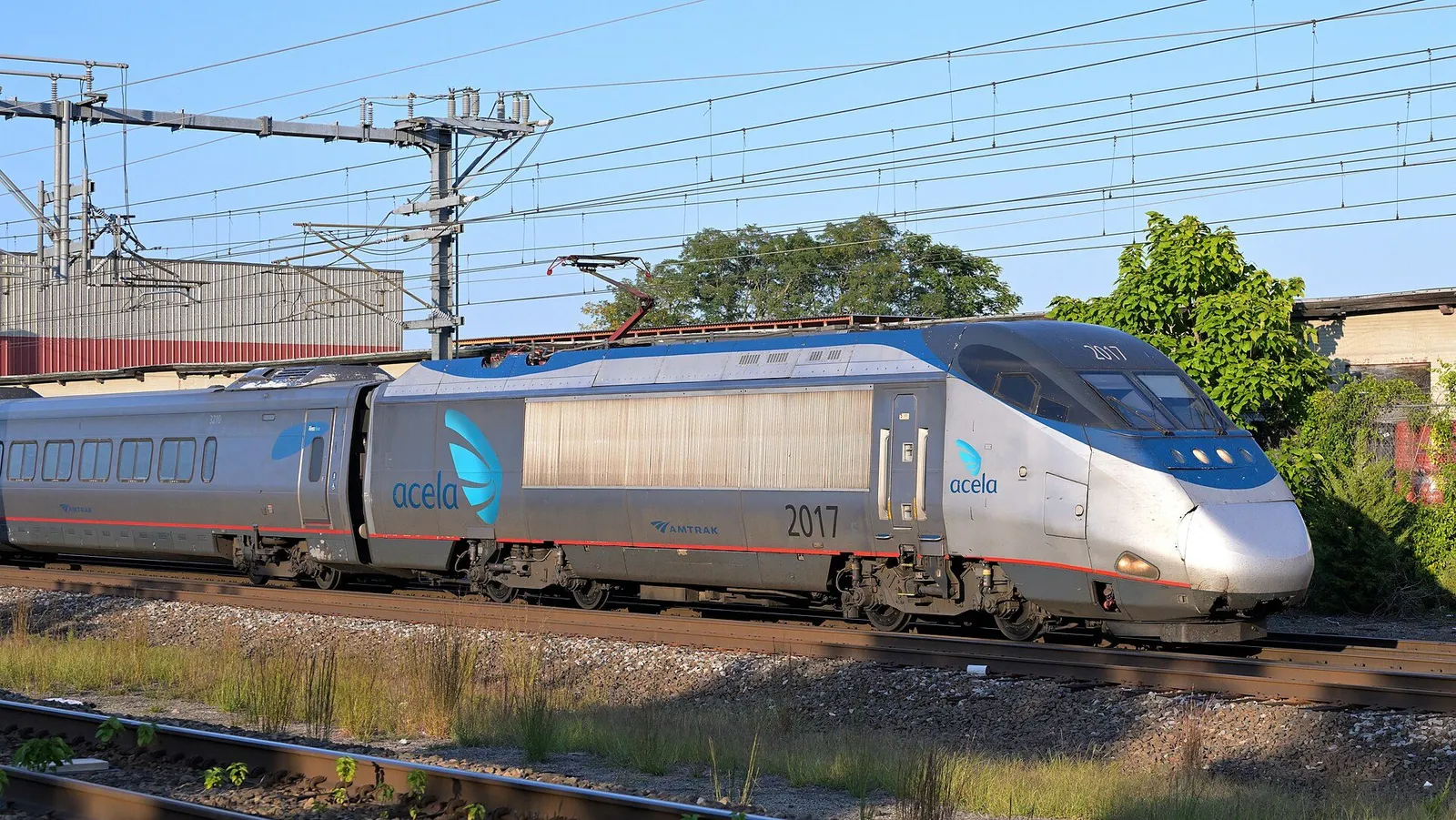
The Northeast Corridor is the one place in America where the train beats the plane outright: Amtrak’s Boston-Washington spine runs through the center of four great cities, city-center to city-center, with Wi-Fi, no TSA, and seats that convert the journey into reading time. This itinerary is the car-free version of the classic first East Coast trip (/itineraries/first-timer-east-coast-10-days/), built for travelers who would rather not drive at all: two nights each in Boston, New York, Philadelphia, and Washington, connected by trains of under four hours, with each city’s transit system doing the local work. You can run it in either direction; this one starts in Boston for the history arc, ends in Washington for the museums.
Day 1: Arrive in Boston
Fly into Logan (BOS), take the Blue Line and a transfer or a short cab to a downtown hotel, and spend the first afternoon on the Freedom Trail’s red-brick line from Boston Common to the North End, where dinner is Italian and the cannoli lines are a spectator sport. Pick up a CharlieCard for the T. The tip: Boston is compact, pick lodging near the Red or Blue Line and the whole city is twenty minutes away.
Day 2: Boston, Full Day
Morning at Fenway Park’s tour or the Museum of Fine Arts; afternoon in Cambridge among Harvard’s yards, reached by the Red Line in fifteen minutes; evening back through Beacon Hill’s gas lamps. Walkable Boston delivers a first-timer’s America in one day: colonial, academic, and Irish-pub convivial. If your dates are October, swap the morning for the Salem ferry and its witch-trial streets, a 45-minute sail that lands you back by late afternoon.
Day 3: Train to New York City
The morning Northeast Regional from South Station to New York’s Moynihan Train Hall at Penn Station takes about four hours (Acela shaves it toward 3.5); book ahead at amtrak.com, sit on the left side out of Boston for the coastal stretch. Arrive early afternoon, check in, and take the orientation that never fails: walk Fifth Avenue from the New York Public Library to Rockefeller Center, then up to Times Square after dark once, on purpose, to get it out of your system. See /destinations/new-york-city/ for the full briefing.
Day 4: New York City, Full Day
The classic day: the Brooklyn Bridge at morning light, the Statue of Liberty’s free Staten Island Ferry stand-in or the reserved pedestal ticket, Central Park’s southern half, and a museum stop, the Met or the Tenement Museum, depending on your poison. OMNY tap-and-go covers the subway, now with free transfers and a weekly fare cap. The one rule: book everything you care about (Liberty crown, observatories, shows) weeks ahead, this city punishes improvisation.
Day 5: Train to Philadelphia
New York to Philadelphia is the corridor’s shortest leg, about 90 minutes on the Regional, and 30th Street Station’s cathedral-like hall is the arrival itself. The afternoon belongs to Independence Hall’s reserved ticket (book on recreation.gov ahead) and the Liberty Bell, with the Reading Terminal Market for a first cheesesteak education. Stay in Center City; everything colonial is a short walk.
Day 6: Philadelphia, Full Day
Morning at the Philadelphia Museum of Art’s steps and galleries; the afternoon in Society Hill and Old City, Elfreth’s Alley, the oldest residential street in America, and the waterfront’s Spruce Street Harbor pop-ups in season. A SEPTA Key card covers the buses and subway lines. The food brief is at /destinations/philadelphia/: cheesesteaks, roast pork, and the Reading Terminal’s Amish stalls.
Day 7: Train to Washington DC
The last leg, 30th Street to Washington Union Station, runs about two hours. Union Station’s Great Hall drops you three metro stops or a fifteen-minute walk from the National Mall; check in, then take the evening version of the Mall, monuments lit, joggers circling, free and unforgettable. The DC briefing, museum-by-museum with timed-entry notes, is at /destinations/washington-dc/.
Day 8: Washington DC, Full Day, Then Fly Home
A full day: the Smithsonian’s Air and Space or Natural History (free, timed entry where required) in the morning, the Capitol’s reserved tour or the Library of Congress after lunch, Georgetown’s C&O towpath at golden hour, and the evening flight home from DCA, which is fifteen minutes from downtown by metro, or the next-morning departure if you are pacing a two-week trip. If you have a bonus day, Baltimore’s Inner Harbor and the remarkable American Visionary Art Museum are a 40-minute MARC commuter train away for pocket change.
Practical Notes
Transport: All four cities run on their own transit (CharlieCard, OMNY, SEPTA Key, SmarTrip), and the four hotel-to-station hops are all under twenty minutes by foot or one transit ride. Amtrak booking: the Northeast Regional is the workhorse, comfortable and cheap when booked weeks out, while Acela cuts each leg by 30-45 minutes at roughly double the fare, a fair trade only for the tightest schedules. Boarding needs no security theater; arrive twenty minutes early, and note that quiet cars (all phone calls banned) are marked in reservations. Baggage: two bags plus a personal item per passenger, no fees, no weighing.
Budget: Train fares for the three legs, booked two to four weeks ahead, typically total less than one internal flight would with luggage; the real costs are the cities’ hotels, New York above all. Washington’s Smithsonian museums are free, and Boston and Philadelphia’s colonial cores are walkable free, which balances the ledger. Estimate US$180-320 per person per day mid-range including hotels at current big-city rates, less if you trade New York nights for Philadelphia ones.
Timing: Late April-June and September-October are the corridor’s best weather; October adds New England foliage to the Boston end and Salem’s season. The one absolute avoid: the Wednesday-Sunday of Thanksgiving week, America’s busiest rail and air window of the year. Summer is humid but workable, and every city’s riverfront becomes its living room.