Planning an Alaska Trip: Cruises, Ferries and Denali
Alaska is the one American destination where the planning is the difference between the trip you imagined and an expensive tease: cruises book a year ahead, the Denali bus season releases its reservations each December, and the distances swallow improvised itineraries. This guide compares the two classic structures, the Inside Passage cruise and the road-and-rail land trip, and the ferry that links them, with verified 2026 costs and rules, the bear-and-bugs practicalities, and the timing windows that save real money.
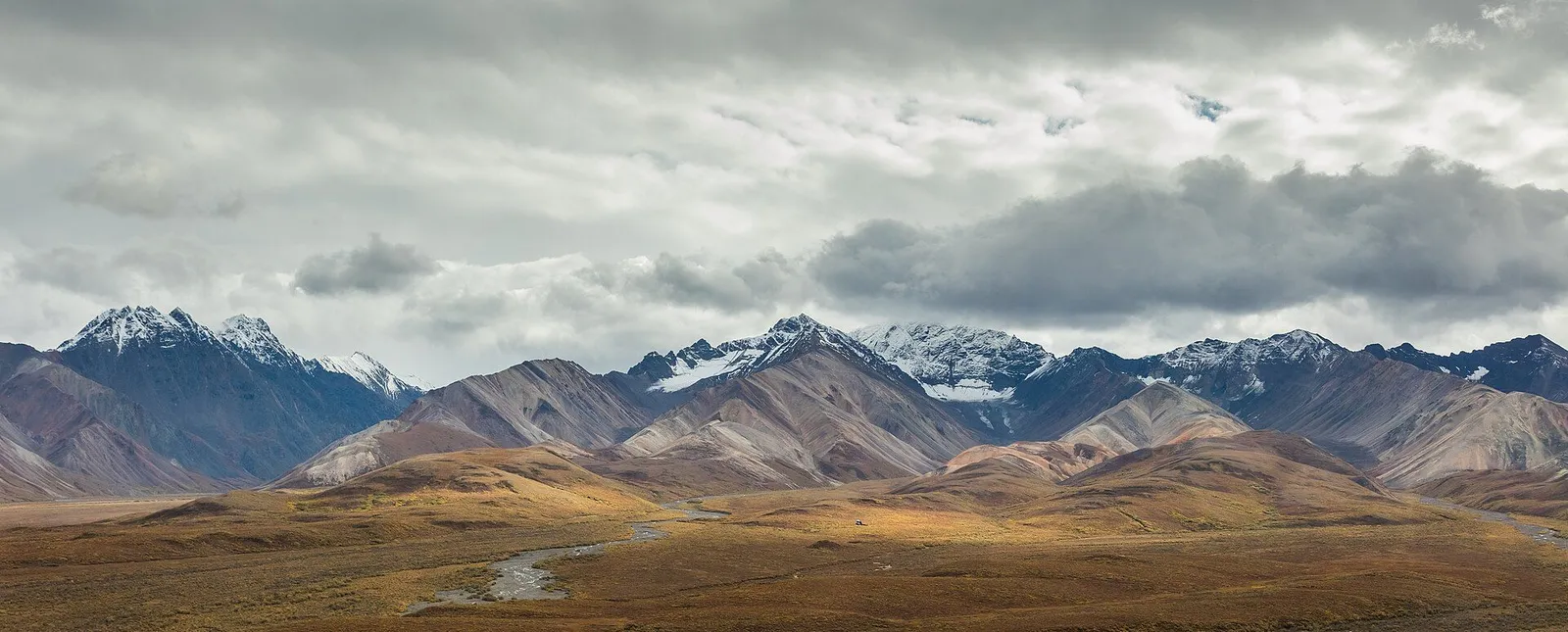
The short version
- Peak season is June through August; June and late August deliver the same scenery at softer prices
- Book cruises 9-12 months ahead for cabin choice, and know that one-way Vancouver departures pair with a land add-on
- Denali costs $15 per person to enter (no nonresident surcharge) and its bus and campground reservations open the previous early December
- The Alaska Marine Highway ferry is the drive-on, no-casino alternative to the cruise ships
- Bring DEET and buy bear spray in Alaska; you cannot fly with it, and the distances between things are enormous
Alaska is not a place you wing. It is twice the size of Texas with one road system the size of New Hampshire’s, its flagship national park runs on buses because the road inside is single-lane gravel over a pass, and its most famous experience, Glacier Bay, admits a limited number of cruise ships per week by federal permit. The reward for planning is outsized: a week here delivers more wildlife, water, and scale than almost anywhere on Earth. This guide lays out the three ways to see it, cruise, land, or the ferry that strings the two, with the booking mechanics that make each work.
Cruise or Land: Picking Your Structure
Most first-timers see Alaska from a ship, and the geography explains why: the Inside Passage, the island-shielded marine route up the Southeast Panhandle, delivers tidewater glaciers, fjord towns, and humpback whales from a deck chair. Two structures dominate. The round-trip cruise from Seattle is the easy version, no passport formally required for closed-loop sailings but bring one anyway since you call at Canadian ports, and it suits a week’s vacation. The one-way cruise between Vancouver and the Alaska mainland (Seward or Whittier) is the version that changes trips: it typically includes Glacier Bay or Hubbard Glacier, and it ends within bus or train range of Anchorage, Denali, and the interior, which is how the classic cruise-and-land fortnight is built. One rule to know: U.S. law (the Passenger Vessel Services Act) forces most foreign-flag ships, which is all the big lines, to include a foreign port, hence Vancouver on one-ways; you do not need to master the law, just book the itinerary and carry your passport.
Booking mechanics: Alaska cruise calendars open roughly 18-24 months out, the best cabins (balconies for the glacier days, midship for the Gulf of Alaska crossing) and the cheapest fares both go early, and prices soften only in shoulder weeks. Inside Passage season runs late April through early October, peak July-August. Glacier Bay itself is the scarce asset, the park permits a fixed number of cruise entries, so if it is your priority, filter itineraries on it before anything else. Small ships (100-200 passengers) reach places the 3,000-guest ships cannot and cost roughly double; expedition-style is the splurge tier.
The Ferry: The Locals’ Inside Passage
The Alaska Marine Highway System, the state ferry, is the unsung alternative: drive-on (or walk-on) ships that call at the same towns the cruises do, Juneau, Sitka, Ketchikan, Petersburg, Haines, plus outposts like Wrangell and Metlakatla the ships skip, with cabins, solarium camping, and no casino in sight. It is how Alaskans actually move, and it is the only way to bring a car through the Panhandle. Book cabins for overnight legs (they sell out for summer), and check schedules carefully at dot.alaska.gov/amhs, the system runs a reduced but real network and the experience is a genuine slow-travel classic, rougher and cheaper than the ships, with the same whales off the rail.
The Land Side: Anchorage, Denali, and the Railroad
Fly into Anchorage (ANC), which is not a beauty but is the operational hub, and the state falls into a triangle. South, the Seward Highway runs 125 miles of Turnagain Arm and mountains to Seward, the gateway for Kenai Fjords’ boat tours among calving glaciers and orca. North, the Parks Highway runs 240 miles to the entrance of Denali National Park, with Talkeetna, the quirky climbing town with the best mountain viewpoint, en route. The Alaska Railroad runs both legs as scenery-first alternatives to driving, including the dome cars; it is expensive and worth one leg of a trip.
Denali is the centerpiece, and it runs on rules unlike any other park. Entry costs $15 per person (16 and up, 7-day permit, youth free, card only), notably with no nonresident surcharge at this park, and the park’s interior is served by buses, not private cars. Two kinds: tour buses (naturalist-narrated, round-trip) and transit buses (hop-on hop-off, cheaper, the hiker’s tool); both run the full length of the Park Road seasonally, and the reservations for buses and campgrounds open in early December for the following summer, the park’s own conditions page announced December 1, 2026 for the 2027 season, and the prime dates go fast. The road itself has a history: the Pretty Rocks landslide shut its middle section in recent years, with the new bridge complete, full-length bus service resumes in 2027. Check the park’s conditions page (nps.gov/dena) for the current road status, weather moves the goalposts, and fall-to-spring the road closes progressively, mile 30 by October, mile 13 or lower as winter arrives.
When to Go, and What It Costs
The honest season runs mid-May through mid-September. June brings the longest light (midnight-sun territory north of Fairbanks) and drier weather statistically; July-August peak the wildlife and the crowds and the prices; late August adds the first tundra reds and, by the month’s end, a chance of aurora; September closes cool and quiet. The value windows are early June and the back half of August.
Budget frame: mainstream Inside Passage cruises start in the US$600-1,000 per person range for inside cabins in shoulder weeks and climb steeply for balconies and peak dates, with drinks, excursions, and tips on top (tipping norms at /guides/tipping-and-sales-tax/). The land side runs US$200-400 a day per couple with a rental car (expensive here, book early), mid-range rooms, and one paid activity daily; Denali’s bus tickets and the Kenai fjords boat tours are the two big-ticket items. Alaska has no state sales tax, but many boroughs levy local sales and lodging taxes, and small-town Alaska prices carry freight markup, a bag of groceries tells the story. Run the whole plan through /guides/budgeting-your-trip/ and the Real Price Calculator (/tools/real-price-calculator/).
Bears, Bugs, Weather, and Distances
Bears are a real presence, not a marketing one. Denali, the Kenai, and the Panhandle’s salmon streams all host brown/grizzly and black bears; the working rules are the National Park Service’s own: make noise on blind trails, hike in groups, carry bear spray where legal, store food properly, and never run or drop your pack if you encounter one (the parks’ bear pages give the full playbook). Bear spray cannot fly in luggage, checked or carry-on, buy or rent it in Anchorage, and practice the safety clip off in camp, not mid-encounter. Mosquitoes are Alaska’s running joke with teeth: June-July especially, bring DEET (it is called that here too) and a head net for still evenings. Weather is 55-70 degrees Fahrenheit with fast changes and sideways rain on the coast; layers and a real rain shell are the uniform, see the packing logic at /guides/best-time-to-visit/.
And distances: Anchorage to Denali is 4.5-5 hours by car (8 by train); Seward to Homer is 4; Juneau has no road out at all. Do not plan Alaska like a European driving tour; pick two or three anchors and give each real days. Medical care is excellent in Anchorage and scarce everywhere else, and an evacuation from a remote area is exactly the scenario travel insurance exists for, sort it at /guides/health-insurance-safety/ before you fly.
Common Mistakes
- Booking the cruise late and expecting Glacier Bay. The permitted entries go to itineraries that sell out earliest; filter first, book 9-12 months out.
- Missing the December bus-reservation window for Denali. The best transit and campground dates are gone by January; set the reminder when you book flights.
- Trying to drive the Denali Park Road yourself. Private cars stop at mile 15; the park is a bus system by design.
- Underestimating the ferry’s summer demand. Cabins sell out; reserve when the summer schedule posts.
- Packing for the Caribbean and boarding for Alaska. 55 degrees and rain is a normal July day; layers and a shell.
- Flying with bear spray or forgetting it entirely. Both are mistakes; buy it there, leave it there (most outfitters take donations back).
- Planning five stops in a week. Alaska rewards depth; two anchors beat five glimpses.