The Best Time to Visit the USA, Region by Region
The United States is the size of Europe, so the honest answer to when to visit depends on where you are going: April-June and September-October are the all-purpose sweet spots, but the South lives with hurricane season from June through November, the Southwest becomes dangerously hot in summer, and Seattle is actually nicest when London is grimmest. This guide breaks the country into regions with realistic seasonal windows, explains what the official Atlantic hurricane season dates mean for your trip, covers the New England foliage calendar, and flags the holidays (Thanksgiving, July 4, Christmas) that make flights and hotels spike. All timing and fee rules verified against official sources as of October 2026.
The short version
- April-June and September-October work almost everywhere; these two windows dodge both summer heat and hurricane season
- The official Atlantic hurricane season runs June 1 to November 30, peaking around September 10; it affects the Gulf Coast, Florida and the Southeast
- Southwest summers are genuinely dangerous: Phoenix routinely tops 110F (43C) from June through September, so plan the desert for winter or spring
- New England foliage runs mid-September (northern Maine, White Mountains) to early November (coastal Connecticut); book October weekends far ahead
- Since 2026, national park free-entrance days apply to US citizens and residents only, and non-US residents pay a $100 per person surcharge at the busiest parks
Ask an American the best month to visit and you will get a different answer from every state. The country spans deserts that hit 120F and coastlines where it rains 150 days a year, so the real question is not “when is the US best” but “when is my specific route best”. Here is the regional breakdown, the season that quietly sabotages Southern trips, and the few weeks a year when prices jump for everyone.
The Short Answer: Two Windows That Work Almost Everywhere
If your trip mixes cities across regions (New York plus Las Vegas plus San Francisco, say), aim for late April to mid-June or mid-September to late October. In those windows the Northeast is mild, the Southwest is hot but survivable, the Pacific Northwest is dry enough, and Florida sits before or after the worst of storm season. Shoulder-season prices are also friendlier: July-August and the December holidays are the most expensive stretches for flights and hotels in most of the country, while January and February (outside holiday weekends and ski season) tend to be the cheapest.
Regional reality check:
| Region | Best months | Treat with caution |
|---|---|---|
| Northeast (New York, Boston, Washington DC) | May-June, September-October | July-August humidity; January-February cold snaps |
| South (Florida, New Orleans, Texas coast) | February-April, October-November | June-November hurricane season; brutal summer humidity |
| Southwest (Las Vegas, Phoenix, Grand Canyon) | March-April, October-November | June-September desert heat; winter nights at the rim are freezing |
| Mountain West (Yellowstone, Rockies) | June-September | Everything else: many park roads close November-May |
| Pacific Northwest (Seattle) | July-August (best odds of sun), May, September | October-April rain |
| California | April-June, September-October | Coastal fog in June (“June Gloom”); wildfire smoke possible late summer |
Hurricane Season: What June to November Means for the South
The National Hurricane Center is unambiguous: the Atlantic hurricane season runs June 1 to November 30, and although the statistical peak is September 10, most activity happens between mid-August and mid-October. The exposure zone covers Florida, the Gulf Coast (New Orleans, Houston), the Carolinas and occasionally the whole Eastern Seaboard.
What this means practically for a traveler:
- Treat August to October trips to Florida, New Orleans or the Gulf Coast as a gamble on your dates. Storms that do make landfall can shut airports for days, and travel disruptions cascade across the region even from near misses.
- If you go anyway (shoulder-season prices are real), book refundable rates, and put your flights and prepaid hotels on a credit card with decent disruption coverage. Watch the National Hurricane Center’s outlook at nhc.noaa.gov in the week before you fly.
- Travel insurance bought before a storm is named covers you; insurance bought after a system exists does not. If hurricane season is a factor in your dates, buy the policy the day you book. See our health and safety guide for what a policy should cover.
Do not overcorrect into fear: millions visit Florida in September without incident. But do not build a once-a-year, non-refundable trip to New Orleans in late September either.
Summer in the West: Heat, Crowds and New Park Fees
Summer is when the Mountain West works (Yellowstone’s roads are only fully open roughly June to September) and when the desert does not. Phoenix and Las Vegas in July are not “warm”, they are hazardous: Phoenix regularly tops 110F (43C) for days on end from June through September, and the National Weather Service treats extreme heat as a deadly-weather event, not an inconvenience. Hiking in the Grand Canyon’s inner canyon in summer is the classic way tourists end up in an emergency room. Schedule deserts for March-April or October-November, and if summer heat catches you anyway, shift activity to dawn and carry more water than you think you need.
Summer also means peak crowds and peak pricing at the headline national parks, plus a fee change that affects every international visitor: since 2026, non-US residents pay a $100 per person surcharge on top of the standard entrance pass at the busiest parks (Yellowstone, Grand Canyon and the rest of the fee-charging big names), and the NPS free-entrance days now apply only to US citizens and residents. Do not plan your park days around a “free day”; for you it is not free. Full details are in our national parks guide.
One more summer variable: wildfire smoke. Late August and September can blanket parts of the West (and occasionally even the Rockies) with haze that ruins views and irritates lungs. Check the AQI forecast for your destinations a few days out if your trip is August or September.
Fall Foliage: America’s Second High Season
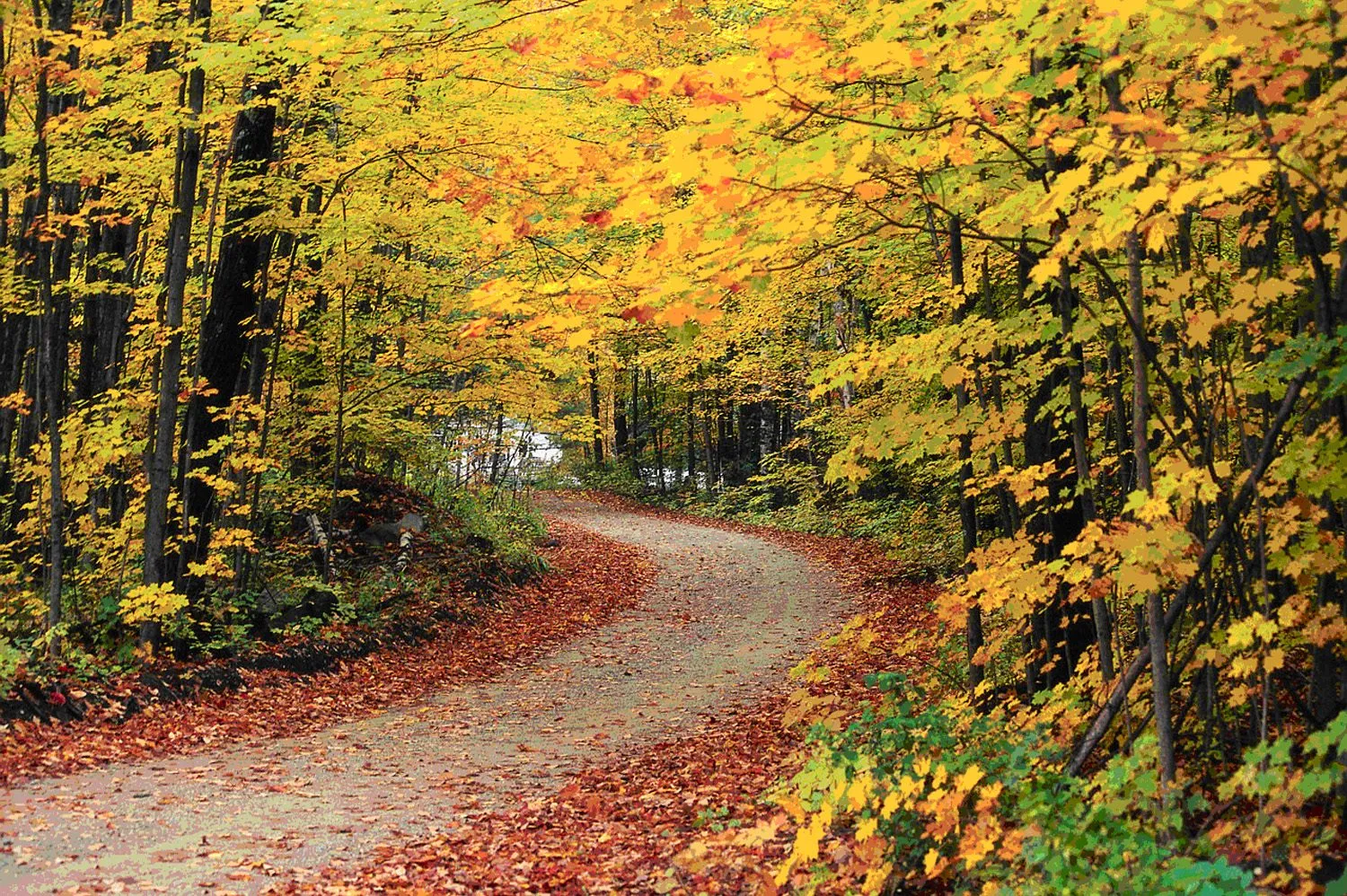
If you want the single most reliable show in American travel, it is New England in fall. The color moves north to south: northern Maine and New Hampshire’s White Mountains typically turn from mid-to-late September, Vermont and central regions peak in late September to mid-October, and coastal southern New England holds on until late October and early November. Maine’s official foliage reporting service tracks conditions weekly through the season, so you can time a trip rather than gamble on one.
The catch: this is high season in the smallest, most booked-up corner of the country. October weekend lodging in Vermont or the Berkshires sells out weeks or months ahead, and rates run two to three times baseline. Book October foliage weekends by early summer, or target early October in the north and late October on the coast for thinner crowds.
Winter: Where to Go and Where Not To
Winter splits the country in two. The South (Florida, Arizona, California) is excellent: Miami and Phoenix are at their most pleasant from December through February, and this is why snowbirds and spring-break crowds exist. The Northeast and Midwest, meanwhile, are genuinely cold: New York and Chicago regularly sit below freezing from December through February, and a major snowstorm can strand you for a day or two. Seattle’s rainy season stretches roughly October through April, with November typically the wettest month and July dramatically the driest, which is why locals treat a sunny July week as sacred.
Two winter outliers worth knowing: Death Valley and the desert Southwest are among the few places where winter is prime time (the Grand Canyon’s South Rim, at 7,000 feet, is an exception and does get snow), and ski country (Colorado, Utah) sees its own price spikes from late December through February.
Holidays and School Breaks: Avoid or Lean In
Three American holidays reshape domestic travel and prices more than any others:
| Holiday | When (2026) | Effect on your trip |
|---|---|---|
| Independence Day | Saturday, July 4 (observed Friday, July 3) | Peak domestic travel week; fireworks everywhere; national park crowds at their worst; book months ahead |
| Thanksgiving | Thursday, November 26 (weekend through Sunday, November 29) | The busiest domestic travel week of the year; flights and trains full and expensive; museums closed Thursday but Black Friday sales are a spectacle |
| Christmas and New Year | Friday, December 25 through early January | New York is festive and packed; ski resorts and theme parks at peak pricing; late December is one of the worst value weeks in US travel |
Federal holidays follow the schedule published by the US Office of Personnel Management; when a holiday lands on a Saturday (as July 4, 2026 does), the Friday before becomes the travel day, and that is when highways and airports jam. Three-day weekends in general (Memorial Day in late May, Labor Day in early September) mean peak domestic crowds everywhere, including the parks.
The flip side: some holidays are worth leaning into. July 4 fireworks over the Hudson or the National Mall are genuinely special, and a New Orleans Thanksgiving (parades, duck and Andouille dressing) beats any version of it at home. Just book early and price the surge knowingly. Run your dates and destination through our real price calculator so sales tax and resort fees do not ambush the comparison.
Common Mistakes
- Planning one “best month” for a multi-region trip. The month that is perfect for New York (October) is hurricane season in Miami and shoulder season in the desert. Optimize for your most weather-sensitive destination.
- Underestimating the Southwest in summer. Phoenix in July is not a packing problem, it is a health risk. No insurance, no inner-canyon summer hikes; see our health guide first.
- Ignoring hurricane season because “it probably won’t hit”. It only has to hit your week to strand you. Buy refundable or insured if you travel to the Gulf or Florida between August and October.
- Planning a foliage trip two weeks out. October New England weekends sell out months ahead. Book early, or chase the color with a flexible itinerary using Maine’s weekly foliage reports.
- Assuming national park free-entrance days apply to you. Since 2026 they are for US citizens and residents only, and nonresidents pay a $100 per person surcharge on top of normal entrance fees at the busiest parks. Budget for it.
- Forgetting that Yellowstone is a summer destination. Most park roads close to regular vehicles from early November to late April. A “May road trip” to Yellowstone can mean snowbanks and closed entrances.
- Booking Thanksgiving week flights like any other week. It is the single busiest domestic travel period in the US; if you must fly then, book months ahead and expect top-tier fares.
Sources & verification (8)
- https://www.nhc.noaa.gov/climo/
- https://www.nps.gov/planyourvisit/fee-free-parks.htm
- https://www.nps.gov/yell/planyourvisit/fees.htm
- https://newengland.com/fall/foliage/peak-fall-foliage-map/
- https://www.mainefoliage.com/
- https://www.weather.gov/psr/heat
- https://wrcc.dri.edu/summary/climsmwa.html
- https://www.opm.gov/policy-data-oversight/pay-leave/federal-holidays/