Bringing Medication to the USA and Using American Pharmacies
Two pharmaceutical systems collide on an American trip: the rules for what you carry in, and the very different rules for what you buy there. Prescription medication must travel in original packaging with documentation, several everyday UK, Irish, Australian and NZ medicines are controlled substances in the US, and codeine, sold over the counter at home, requires an American prescription. Inside the country, pharmacies are retail chains, prices are unregulated and uninsured care is expensive, and a telehealth or urgent-care visit beats the emergency room for anything non-catastrophic. Here is the working playbook.
The short version
- Carry prescription medication in original, labeled containers with a copy of the prescription or a doctor's letter
- Codeine, tramadol, ADHD medications and sleeping pills are controlled substances in the US: declare them and carry documentation
- Paracetamol is called acetaminophen in America; combination codeine painkillers are not sold over the counter there
- Uninsured American care is brutally expensive: sort travel insurance before you fly, and use urgent care or telehealth, not the ER
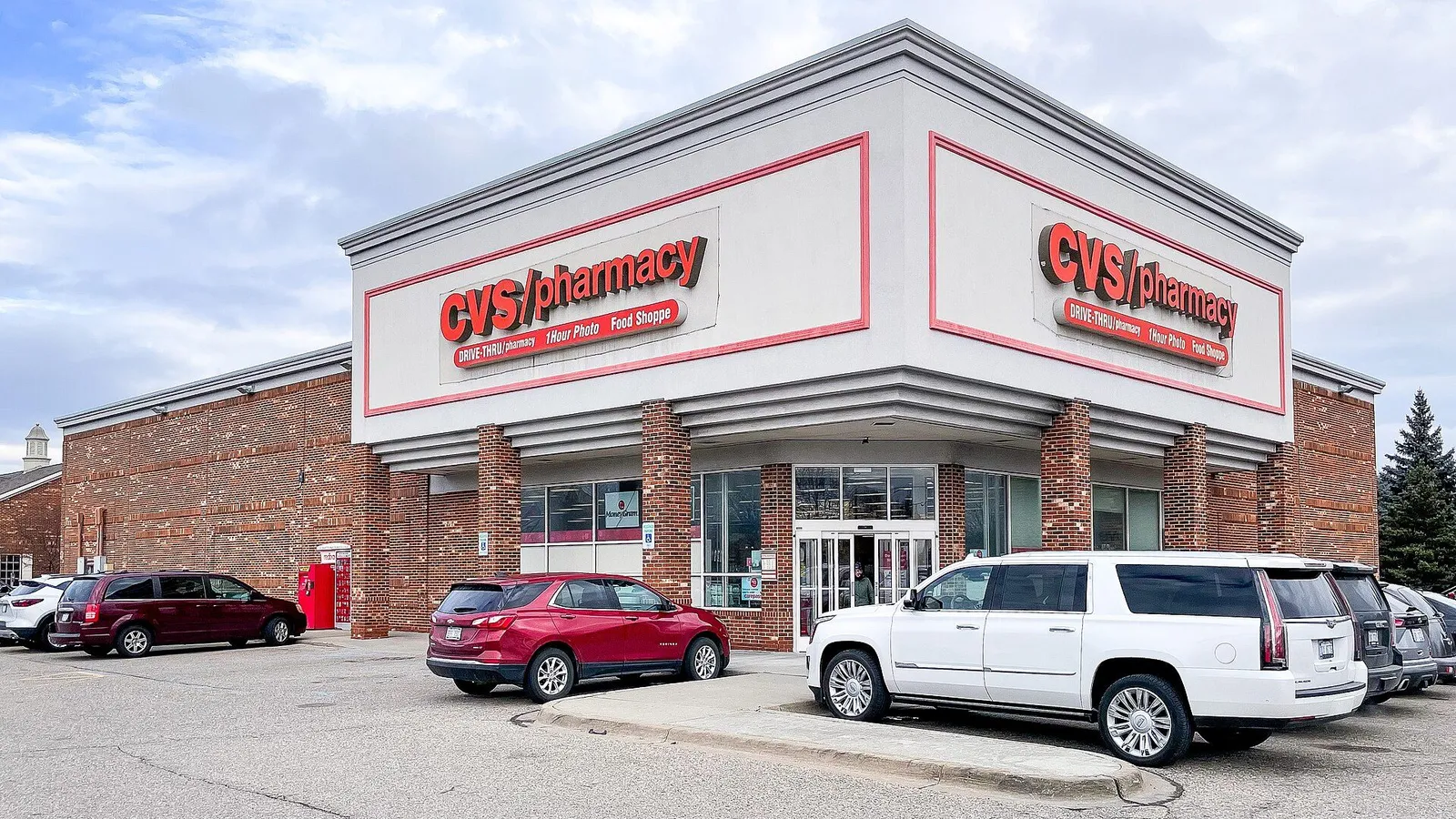
- Pharmacies are chains, CVS and Walgreens everywhere, and the pharmacist can advise on lower-cost generics
Medicine is where the practical differences between America and the rest of the English-speaking world bite hardest. The pills you legally buy at a Boots in Manchester or a Chemist Warehouse in Sydney may be controlled substances in the United States, the pills you buy in America come in different doses and names, and the system that dispenses them runs on insurance machinery that will happily bill a foreign visitor list prices. None of this is difficult once you know it; all of it is miserable to discover at a checkpoint or a pharmacy counter. This guide covers both directions of travel: bringing your medications in, and buying care and medicine there.
Bringing Your Medication Into the US
The base rules, straight from U.S. Customs and Border Protection’s own guidance for visitors (help.cbp.gov, article “Traveling with Medication to the United States”): carry all prescription medication in its original, clearly labeled container; bring a valid prescription or a doctor’s note, written in English; and as the agency’s rule of thumb puts it, bring no more than a 90-day supply. Pack medication in your carry-on, never checked luggage, both for temperature and for the reality that checked bags occasionally vanish. Declare medication if asked; honest answers close conversations quickly.
The step most travelers miss: check whether your medication is a controlled substance in the US before you fly. The Drug Enforcement Administration schedules drugs differently than the UK’s or Australia’s systems, and the surprises run one direction: codeine (in Tylenol 3 or Nurofen Plus style combinations), tramadol, benzodiazepines like diazepam, sleeping pills like zopiclone’s cousins, and ADHD medications such as Adderall, Elvanse/Vyvanse, and dexamphetamine, all Schedule II or III controlled substances in America. If yours is on the list, the working protocol is strict, and it matches CBP’s published rules for controlled substances: original container, prescription or doctor’s letter with the diagnosis and dose, only the quantity a person with that condition would normally carry, and declare it at the border if asked. One precision worth knowing: the 50-dosage-unit import limit you may read about applies to U.S. residents crossing land borders without an American prescription, not to visitors arriving by air with documented medication; narcotics, explicitly including marijuana, are excluded from personal import entirely. The DEA’s traveler guidance is at deadiversion.usdoj.gov; when in doubt, your prescribing doctor’s letter solves most conversations. Insulin and other temperature-sensitive medications travel with a doctor’s note and cooling; syringes require documented medical need.
One more inbound note: melatonin, prescription-only in the UK and Australia, is an over-the-counter dietary supplement in American shops, and pseudoephedrine (Sudafed) sits behind the pharmacy counter with ID requirements because of methamphetamine laws. Neither direction of surprise should ruin a trip; both are worth knowing before a jet-lagged pharmacy run.
Buying Medicine in America
American pharmacies are retail chains: CVS and Walgreens are the two national giants on practically every other corner, plus Rite Aid in the Northeast and West, supermarket pharmacies inside big grocers, and mass retailers whose $4 generic lists built a cult following. The pharmacist at any counter is a licensed professional who can advise on symptoms and OTC products, recommend a generic equivalent, and administer vaccines, flu shots and more, without an appointment, but cannot prescribe (with narrow state-by-state exceptions).
The translation guide: paracetamol is acetaminophen (brand Tylenol); ibuprofen is ibuprofen (Advil, Motrin); aspirin is aspirin; antihistamines like loratadine and cetirizine sell as Claritin and Zyrtec. What you cannot buy without an American prescription: anything with codeine, steroids, antibiotics, and generally anything your home pharmacist might hand you across the counter that is prescription-class in the US. Prices are unregulated and vary absurdly between stores; the counter remedy is to ask the pharmacist for the generic and the cash price, and discount card programs (GoodRx is the big one) are free and routinely cut cash prices by half, your home discount-card instincts transfer directly.
Vaccines and routine needs are easy: flu, COVID boosters, shingles, and travel vaccines run at most chain pharmacies, walk-in or same-day online booking. If you need a prescription renewed, American pharmacists cannot bridge you; that requires a clinician, which brings us to the money part.
Getting Care: Telehealth, Urgent Care, and the ER
If something needs a clinician, the ladder matters, because the price ladder is steep. Telehealth (the chains’ virtual care, plus independent apps) runs roughly US$30-80 a visit for common complaints and prescriptions, urgent care clinics, walk-in, x-ray on site, run roughly US$100-250 self-pay for most visits, and the emergency room starts in four figures for walking in, before any test, because that is how American hospital billing works. The rule travelers should tattoo somewhere: if you are not dying, do not go to the ER; if you are, go and sort money later.
The insurance piece is not optional homework: an American hospital visit without coverage is the single largest financial risk of your trip, and the medical and insurance guide (/guides/health-insurance-safety/) covers the policies in detail. Two extras: pharmacies inside clinics’ networks can fill telehealth prescriptions the same hour, and dental emergencies are handled by dedicated urgent dental offices, a US$150-300 visit rather than the ER’s thousand-dollar shrug. Glasses and contact lenses: bring your prescription on paper, American optical shops can make glasses from it, but by law you need a US-issued prescription to buy contact lenses in America, so pack enough lenses for the trip.
Children, Allergies, and Special Needs
Traveling with children adds a layer worth pre-solving. Liquid medications over the standard carry-on limits are allowed through security with declaration, pack them separately and tell the officer; children’s formulations (paracetamol syrups, antihistamine melts) sell over the counter in every American pharmacy, but doses are labeled in milligrams per pound and kilogram charts, so bring your own dosing spoon or oral syringe rather than improvising with kitchen spoons. Allergy travelers: epinephrine auto-injectors (EpiPens) require an American prescription to buy, so carry yours from home with the pharmacy label intact, and know that American food-allergen labeling (the “contains” statement under federal law) is actually stricter than most countries’, packaged food is well-labeled, restaurant kitchens are used to allergy protocols, and “may contain” caveats are taken seriously. Insulin coolers, CPAP machines, and mobility devices all fly free as medical items, not luggage, and the TSA’s database of specific medical items answers most carry-on questions in one search.
Two closing habits make the whole system painless. Photograph every prescription label before you fly; the photo answers a pharmacy or clinic’s first three questions instantly. And keep a one-page medication list, drug, dose, reason, prescriber, in your phone and printed in your daypack; in an American clinic it shortcuts the intake interview, and in a pharmacy it lets the counter conversation skip two rounds of translation.
Common Mistakes
- Popping pills loose into a weekly dispenser and binning the boxes. Do that at home; for the US, carry originals plus documentation.
- Carrying UK/Australian codeine or ADHD medication with no paperwork. It is a controlled-substance import; a doctor’s letter is the whole solution.
- Packing medication in checked luggage. One delayed bag ends a medication schedule; carry-on always.
- Going to the ER for a chest infection because that is the system at home. Urgent care or telehealth treats it for a tenth of the price, and faster.
- Assuming paracetamol packets exist. Acetaminophen it is; ask the pharmacist for the generic and save.
- Buying drugs across the counter border-style from Canada or Mexico into the US. Personal import rules are narrow (generally no controlled substances, FDA-approved labeling), and the shortcut version is a customs problem.
- Relying on your home health system’s coverage. NHS, Medicare-equivalent, or reciprocal arrangements cover nothing in America; the entry guide’s insurance section (/guides/esta-visa-entry/) and the health guide cover what to buy.