First Timer's USA: 10 Days on the East Coast
Ten days is the right length for a first East Coast trip, and the smart version of it needs no rental car. Ride the Amtrak Northeast Corridor from New York City to Philadelphia and on to Washington DC, spending four, two and three nights in each city. The lineup covers the classics that justify the trip: the Statue of Liberty, Central Park, the Brooklyn Bridge, Independence Hall, the Liberty Bell, the National Mall and the free Smithsonian museums. This itinerary concentrates on the logistics first timers actually stress about: which tickets sell out months ahead (the Statue's crown, White House tours), which headline sights are free, what the trains really cost and how the subway-to-Amtrak-to-Metro chain works door to door.
Route: New York City Philadelphia Washington DC
The Northeast Corridor is the single easiest first trip in the United States: three headline cities threaded together by trains that run roughly hourly, no rental car, no highway driving, no desert distances. You start in New York City for the skyline and the parks, cut two hours south to Philadelphia for the birthplace of American independence, then finish in Washington DC among the free museums of the Smithsonian. Distances stay honest: every intercity leg is under two and a half hours, so sightseeing days outnumber travel days eight to two. Book the two long-lead items first (Statue of Liberty crown, White House tour) and the rest of this plan runs itself.
Day 1: Arrive in New York City
Land at JFK, Newark or LaGuardia and ride public transit into Manhattan: the AirTrain plus subway from JFK costs US$8.75 plus a subway tap, roughly an hour door to door. Check in, then spend the first afternoon on foot in one neighborhood only. Grand Central Terminal’s vaulted ceiling and the marble stacks of the New York Public Library sit five minutes apart and cost nothing. Eat dinner early, walk to Times Square once for the blink test, then leave; the city pays off in side streets, not the square, and jet lag is best beaten with a long walk and an early night.
Practical tip: Set up your subway payment tonight: tap a contactless credit card or phone wallet at any turnstile (the system is called OMNY, around US$2.90 a ride with free transfers, see mta.info/fares) and you never touch a ticket machine all trip.
Day 2: Statue of Liberty and Lower Manhattan
Take the first ferry from Battery Park to Liberty Island; the crown, if you were lucky enough to book months ago, means 162 narrow spiral steps and a ten-minute visit at the top, while everyone else gets the pedestal view and the excellent museum downstairs. Continue to Ellis Island, ferry back, then walk the 9/11 Memorial’s twin pools, which are free and open to all. Finish with a late lunch on Stone Street, then ride the subway to the Brooklyn Heights Promenade for the best free sunset skyline view in the city.
Practical tip: Crown tickets are sold only through Statue City Cruises (statuecitycruises.com), the National Park Service’s authorized operator, and regularly sell out months ahead; the standard reserve ticket (island access plus museum, around US$25) is the realistic plan, so book it as soon as your flights are fixed.
Day 3: Midtown Icons and a Rooftop View
Devote the morning to Midtown’s icons: Grand Central again if you missed it, St. Patrick’s Cathedral, and Fifth Avenue as it wakes up. After lunch, go up one observation deck, one only: Top of the Rock above Rockefeller Center faces both the Empire State Building and Central Park, which is the photograph you actually want. As darkness falls, give Times Square its night visit if you skipped it on day one, then eat in Hell’s Kitchen one block west, where prices are real, portions are honest and servers live on tips (18 to 22 percent is the current standard; see our tipping guide).
Practical tip: Observation decks sell timed tickets from around US$40, and sunset slots sell out days ahead in good weather; reserve on the official site (topoftherocknyc.com) rather than a reseller, and pick a slot 30 to 45 minutes before sunset.
Day 4: Central Park, the Met, and Brooklyn Bridge at Dusk
Walk Central Park from south to north after breakfast: the Mall, Bethesda Terrace and the Ramble take two relaxed hours and cost nothing. Exit on the east side at the Metropolitan Museum of Art and pick two or three wings, because the whole building swallows a day (US$30 general admission for out-of-state visitors; New Yorkers pay what they wish). Late afternoon, ride the subway to City Hall and walk the Brooklyn Bridge toward Brooklyn at golden hour, about 30 to 40 minutes, then eat in DUMBO with Manhattan glowing across the river.
Practical tip: The bridge’s pedestrian entrance sits beside City Hall station, and walking toward Brooklyn keeps the skyline in front of you the whole way; doing it in reverse means staring at fencing, so plan the direction before you start.
Day 5: High Line Morning, then the Train to Philadelphia
Walk the High Line after checkout: the elevated park runs from Gansevoort Street up to 34th Street, it is free, and lunch in Chelsea Market at its southern end solves the food question. Collect bags and take the subway to Penn Station for an Amtrak Northeast Regional to Philadelphia, about 90 minutes with hourly departures (advance fares from roughly US$20; book on amtrak.com or the app). In Philadelphia, stay in Center City or Old City, where the historic core is compact and walkable. Spend the evening in the lantern-lit brick lanes of Old City, two blocks north of Independence Hall, where the tour buses are gone by seven.
Practical tip: Book the Amtrak ticket the day you fix your dates: advance fares on this corridor are a fraction of the walk-up price, and the app stores the ticket so you never print anything.
Day 6: Independence Hall and the Liberty Bell
Use the morning for Independence Hall itself: entry is by free timed ticket with a US$1 handling fee reserved on recreation.gov, and the ranger talk in the room where the Declaration and the Constitution were debated lasts about half an hour. The Liberty Bell next door is free, with timed entry on busy days. After lunch at Reading Terminal Market (most stalls wind down by early evening, so do not bet dinner on it), walk Elfreth’s Alley, the oldest continuously occupied residential street in the country, then finish at the Museum of the American Revolution if energy holds.
Practical tip: The US$1 handling fee is charged per ticket and reservations are final with no refunds, per the park; pick your time slot carefully and reserve the day your flights are booked, because summer slots go weeks ahead.
Day 7: Two Hours South to Washington DC
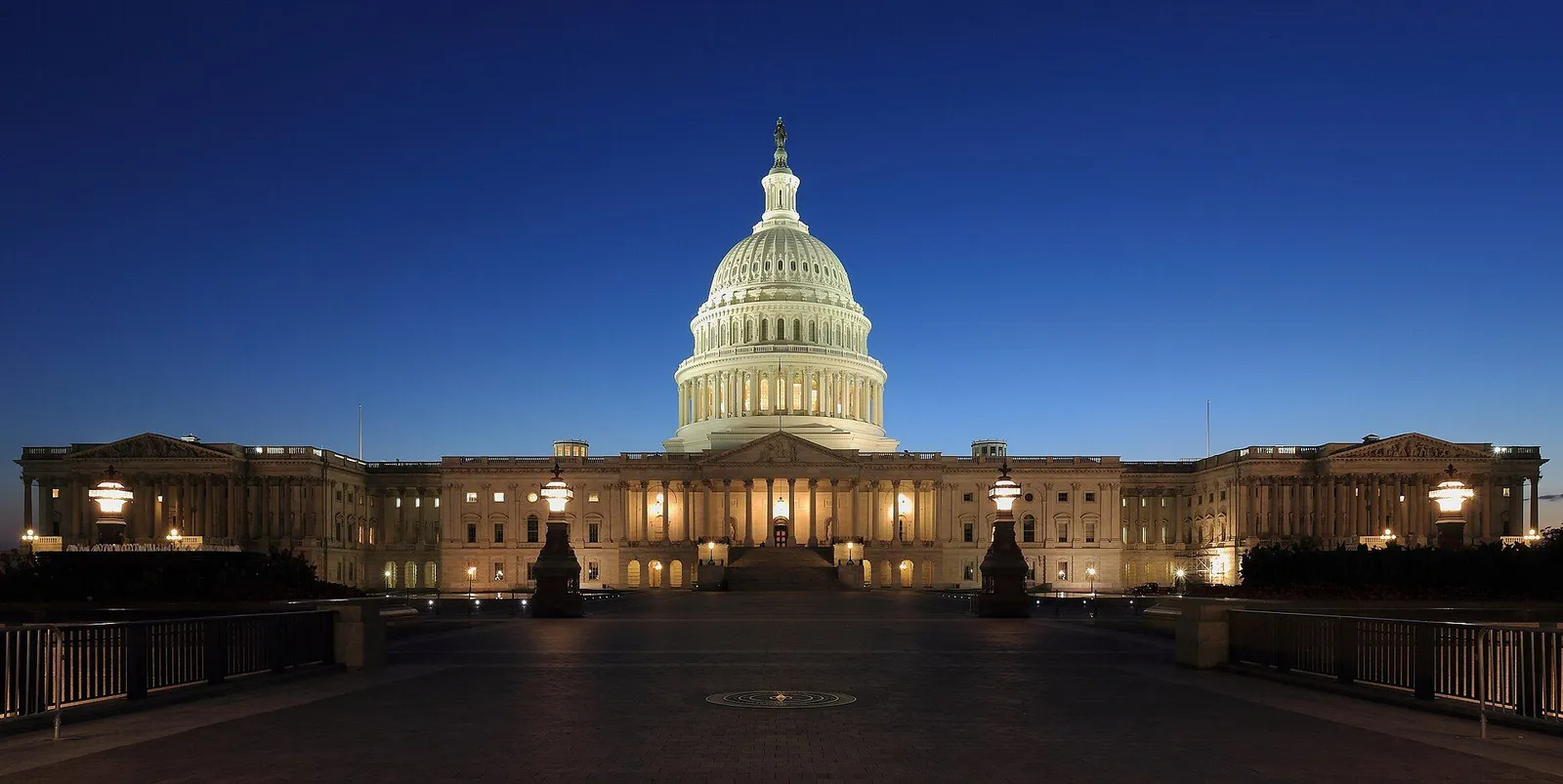
Morning Amtrak from Philadelphia’s 30th Street Station to Washington Union Station takes about two hours (advance fares from roughly US$25; the faster Acela saves 15 minutes for roughly double the money). Union Station’s gold-leafed Great Hall is worth ten minutes before you leave. Drop bags near the National Mall, then walk the east end: the Capitol’s west front, the rows of free museums and the Smithsonian gardens. Save the monuments for their own evening and do practical things tonight, like finding tomorrow’s breakfast, because DC hotel minibars are a tax on the unprepared.
Practical tip: DC’s Metro taps contactless cards directly at the faregates, no card to buy; a peak trip from Union Station into the center runs a few dollars, and the official trip planner at wmata.com shows exact fares before you ride.
Day 8: The National Mall and the Monuments at Night
Start at the Washington Monument (timed tickets on recreation.gov, released about 30 days out, plus a same-day batch handed out from 8:45 a.m.) or just photograph it from the Reflecting Pool end. Then pick your museums: the National Air and Space Museum needs a free timed pass reserved at airandspace.si.edu, the Natural History Museum takes walk-ins, and both cost nothing, which still surprises first timers. At dusk, walk past the White House and finish on the Lincoln Memorial steps after dark, when the marble glows and the crowds thin. The monuments are open 24 hours and free.
Practical tip: Want inside the White House itself? Tours are free, but requests go through your member of Congress 7 to 90 days ahead (whitehouse.gov/visit), so email your representative weeks before you fly, not after you land.
Day 9: Museums, Arlington, and a Proper Farewell Dinner
Split the day between one more Smithsonian (American History takes walk-ins; the National Museum of African American History and Culture releases timed passes online, check nmaahc.si.edu) and Arlington National Cemetery across the river, where the Changing of the Guard at the Tomb of the Unknown Soldier runs on the half hour in summer and hourly in winter. Cemetery entry is free; the interpretive tram costs extra. Tonight, book a proper dinner, because DC’s dining rooms are destination-grade, and tip 18 to 22 percent (our tipping and sales tax guide has the math).
Practical tip: Take the Metro’s Blue Line to Arlington Cemetery station, which stops directly at the gate, and check arlingtoncemetery.mil the night before: tram schedules and guard ceremony times shift with the season.
Day 10: One Last Morning, then Home
Use the final morning for the US Capitol’s free interior tour (book at visitthecapitol.gov; the visitor center runs 8:30 a.m. to 4:30 p.m., Monday through Saturday) or the Library of Congress next door, which needs a free timed pass reserved up to 30 days ahead at loc.gov. Collect bags by noon and choose the airport that matches your fare: Reagan National (DCA) sits on the Metro 15 minutes from downtown; Dulles (IAD) is 50 to 60 minutes away on the Metro’s Silver Line; BWI is about an hour door to door by MARC or Amtrak train plus shuttle.
Practical tip: For international departures arrive three hours early, and check your ESTA is still valid before heading out (our entry guide covers the rules); if your trip continues west, our two-week grand tour picks up exactly where this one ends.
Practical Notes
Intercity transport
| Leg | Mode | Time | One-way cost (approx.) |
|---|---|---|---|
| JFK to Manhattan | AirTrain + subway | 60-75 min | US$8.75 AirTrain + ~US$2.90 subway |
| New York to Philadelphia | Amtrak Northeast Regional | ~1h30 | from ~US$20 booked ahead |
| Philadelphia to Washington DC | Amtrak Northeast Regional | ~2h | from ~US$25 booked ahead |
| New York to Washington DC (direct) | Amtrak Regional / Acela | 3h20-3h45 / ~2h50 | from ~US$40 / ~US$100 booked ahead |
Fares as of October 2026: advance fares are far cheaper than walk-up on this corridor, and trains run roughly hourly on the Regional, so a missed train is an inconvenience, not a crisis. Check amtrak.com or the app when booking.
Budget estimate (per person, 10 days, excluding international flights)
- Backpacker: US$1,300-1,800. Hostels, market and deli meals, subway everywhere, advance train fares
- Mid-range: US$2,800-4,200. Three to four star rooms, one sit-down dinner a day, all reserved sights, taxis twice
- Comfort: US$5,500-8,000. Four star hotels, tasting-menu nights, private airport transfers, Acela for every leg
Two budget realities: sticker prices exclude sales tax, which gets added at the register, and restaurant checks expect a 18-22 percent tip on top (run any price through our Real Price Calculator before you budget).
Train vs car verdict
Do not rent a car for this route. Manhattan hotel parking runs US$50-70 a night, DC parking is nearly as bad, and the corridor’s trains are faster door to door than driving in every leg here. New York’s subway, Philadelphia’s walkable core and DC’s Metro cover everything in this plan; you will take more than 20 transit rides and zero taxis if you follow it. A car only makes sense if you tack on days elsewhere, and even then, rent after you leave the cities.
Sources & verification (14)
- https://www.amtrak.com/routes/northeast-regional-train.html
- https://www.nps.gov/stli/planyourvisit/visit-the-crown.htm
- https://www.cityexperiences.com/new-york/
- https://www.nps.gov/inde/planyourvisit/fees.htm
- https://www.nps.gov/wamo/planyourvisit/index.htm
- https://www.whitehouse.gov/visit/
- https://www.visitthecapitol.gov/
- https://www.jfkairport.com/to-from-airport/air-train
- https://new.mta.info/fares
- https://www.si.edu/visit
- https://airandspace.si.edu/visit
- https://www.loc.gov/visit/
- https://www.metmuseum.org/visit/plan-your-visit
- https://www.arlingtoncemetery.mil/