Two Weeks in the USA: The Grand Tour
Fourteen days, seven stops, one coast-to-coast slice of the United States: New York City, Washington DC, New Orleans, Las Vegas, the Grand Canyon, Los Angeles and San Francisco. The plan mixes the three transport modes that actually make sense at this scale: fast trains on the Northeast Corridor, two nonstop flights over the middle of the map, and a rental car for the desert leg between Las Vegas and Los Angeles. Every intercity leg lists its real duration, from the 90-minute Broadway-to-Independence-Hall train ride to the honest seven hours of rim-to-Los-Angeles highway, plus the reservation rules that matter: Statue of Liberty crown tickets, White House tours, Alcatraz and park passes.
Route: New York City Washington DC New Orleans Las Vegas Grand Canyon Los Angeles San Francisco
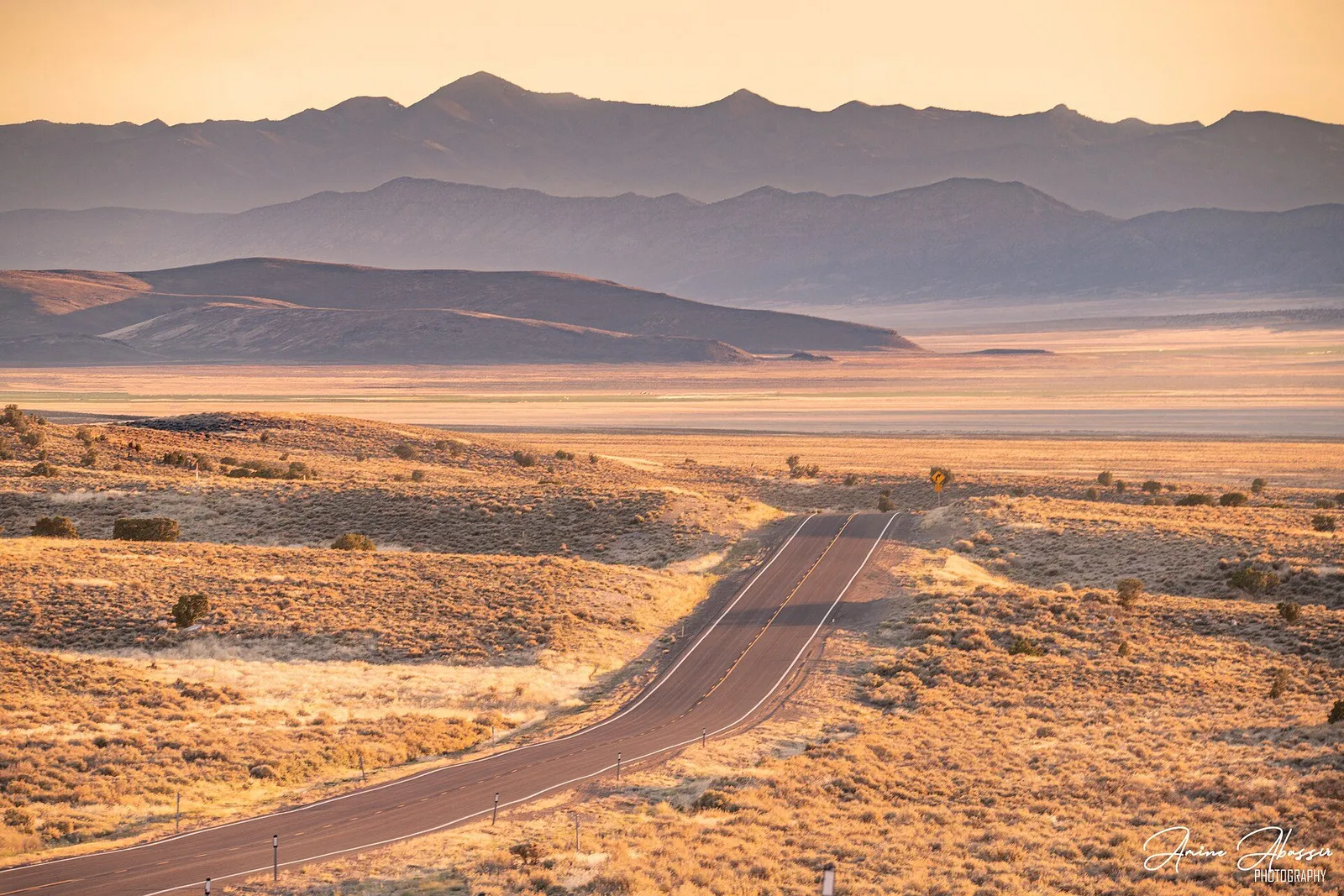
This is the trip people mean when they say “see America”: seven cities, three time zones and roughly 3,000 miles, done in a direction that never doubles back. The logic is simple. The Northeast Corridor runs on rails, so New York to Washington DC is a train. The middle of the country is empty, so New Orleans to Las Vegas is a flight, not a three-day drive. The Southwest is the one part where a car genuinely adds freedom, so you rent one in Las Vegas and drop it in Los Angeles. Two weeks is the honest minimum for this lineup; if that sounds like a lot of moving, the 10-day East Coast version stays east.
Day 1: Arrive in New York City
Land, ride the AirTrain plus subway in from JFK (US$8.75 plus a subway tap, about an hour to Midtown), and surrender to jet lag strategically. Check in, pick one neighborhood, and walk it: Grand Central’s ceiling, the New York Public Library’s marble, a first slice of pizza eaten standing up. Keep the evening short and the dinner earlier. Three nights here means two full sightseeing days, so tonight is logistics, not heroics.
Practical tip: Before you fly, confirm your ESTA is valid (our entry guide explains the rules); on landing, tap a contactless card or phone at the subway turnstile (OMNY, around US$2.90) and you are done with ticket machines for the whole trip.
Day 2: Statue of Liberty and the Skyline
First ferry from Battery Park to Liberty Island: crown visitors climb 162 narrow steps (booked months ago), everyone else takes the pedestal level and the museum, then hops to Ellis Island. Back in Manhattan, the 9/11 Memorial pools are free and a ten-minute walk from the ferry. Ride up one observation deck at dusk, Top of the Rock for the classic double view, with timed tickets from around US$40 reserved days ahead.
Practical tip: Crown tickets sell out months ahead and are sold only through Statue City Cruises (statuecitycruises.com), the National Park Service’s authorized operator; the standard reserve ticket (about US$25) is the plan for almost everyone, so book it the day your flights are fixed.
Day 3: Central Park, the Met, Brooklyn Bridge at Dusk
Morning: Central Park’s Mall and Bethesda Terrace, on foot, cost nothing. Midday: the Metropolitan Museum of Art, two or three wings only (US$30 general admission for out-of-state visitors). Late afternoon: subway to City Hall and walk the Brooklyn Bridge toward DUMBO at golden hour, 30 to 40 minutes with the skyline in front of you. Eat where the bridge lands, then take the subway home; tomorrow the train goes south.
Practical tip: Pack tonight for the next four days of movement: one carry-on each keeps train, plane and rental car transitions painless, and every hotel on this route holds bags for a few hours on checkout day.
Day 4: Amtrak to Washington DC
The Northeast Regional takes about three and a half hours from Penn Station to Union Station (advance fares from roughly US$40 on amtrak.com; the Acela is faster but pricier). Watch Philadelphia and Baltimore slide past; this corridor is the closest thing America has to European rail density. By mid-afternoon you can be standing on the National Mall: walk the Capitol’s west front and the free Smithsonian row, then stay out after dark for the monuments, which glow and empty out at night.
Practical tip: DC’s Metro taps contactless cards straight at the faregate; Union Station sits on the Red Line, and a peak ride into the center costs a few dollars. Check exact fares on wmata.com’s trip planner before you ride.
Day 5: DC Museums, then Fly to New Orleans
Morning: one Smithsonian (Air and Space with a free timed pass from airandspace.si.edu, or American History walk-in), plus the outside of the White House; interior tours exist but must be requested through your member of Congress 7 to 90 days ahead (whitehouse.gov/visit). Midday, fly Reagan National to New Orleans, about three hours nonstop, landing in time for a first French Quarter walk and late-night beignets. The Quarter at night is loud and lively; two blocks toward the river, it is all cast-iron balconies and quiet.
Practical tip: Situational awareness, not fear: Bourbon Street is a party street, keep your phone in a front pocket, and use the riverside entrances at night. Taxis and rideshares from the airport to the Quarter take about 25 minutes.
Day 6: The French Quarter and the WWII Museum
New Orleans rewards the morning person: Jackson Square and the Cathedral before the heat, cafe au lait on Decatur Street, the French Market’s stalls by ten. Spend the hottest hours inside the National WWII Museum (US$37 adults, open daily 9 a.m. to 5 p.m., closed major holidays), one of the best history museums in the country. Ride the St. Charles streetcar to the Garden District in the afternoon (US$1.25 a ride with the Le Pass app), then hear live jazz on Frenchmen Street, where cover charges are honest and posted at the door.
Practical tip: Tip culture runs strong here: 18 to 22 percent at the table, US$1 to 2 a drink on Frenchmen Street (our tipping and sales tax guide has the full math, and drinks come with checks you settle as you go).
Day 7: Bayou Morning, Evening Flight to Las Vegas
Take a morning swamp tour into the cypress and mangrove country southeast of the city (about 90 minutes out and back from the Quarter; boats leave from towns like Marrero and Slidell): herons, turtles, alligators, and a guide who grew up on this water. Back by early afternoon, collect bags, and fly nonstop to Las Vegas, roughly four hours, losing a time zone. Check into a Strip hotel for the one deliberately excessive night of the trip.
Practical tip: Book the swamp tour and the flight for the same day only in that order: morning boats, afternoon flights, nothing tight. From the airport, a taxi to the Strip runs 15 to 20 minutes; skip a rental car until tomorrow, you do not want it overnight on the Strip.
Day 8: Hoover Dam and the Strip
Pick up the rental car this morning (the one-way rental to Los Angeles is the backbone of the next four days; book it weeks ahead). Drive 45 minutes to Hoover Dam, walk the top of the dam for free, and pay for the visitor center and guided powerplant tour only if the engineering hooks you (parking around US$10, tickets on usbr.gov). Back in Las Vegas by late afternoon, walk the Strip: the Bellagio fountains are free and run roughly every half hour in the afternoon, more often in the evening.
Practical tip: Pick a Strip hotel with free self-parking when you book (policies changed across brands in recent years, so check the parking page of the hotel you are eyeing); valet at resort hotels can run US$30 or more a night.
Day 9: Drive to the Grand Canyon South Rim
The real Southwest starts today: US-93 northwest past the dam, then I-40 and AZ-64 to Grand Canyon Village, about 280 miles and four and a half hours plus stops. Detour through Seligman, the best-preserved strip of Route 66, for lunch. By mid-afternoon you are at Mather Point, and no photograph has ever prepared anyone. Entrance is US$35 per vehicle, valid seven days, card only, no reservation needed. Sunset from a Hermit Road shuttle stop beats every hotel lobby in Vegas.
Practical tip: Sleep in Tusayan or Grand Canyon Village, not Williams, so you can be at the rim for sunrise; lodging inside the park books months ahead at nps.gov-linked hotels, so if it is full, Tusayan’s motels are a 10-minute drive from the rim.
Day 10: The Long Haul: Rim to Los Angeles
Sunrise at Yavapai Geology Museum, then the Desert View Drive east with its stone watchtower, and out the east entrance by 10 a.m. Today’s drive is the trip’s longest and the itinerary is honest about it: roughly 420 miles from the rim to Los Angeles, six and a half to seven hours on I-40 and US-93 through Kingman and Barstow, plus fuel and dinner stops. Keep two drivers if you have them, and arrive after dark to a city that never runs out of lights.
Practical tip: Fuel up in Kingman or Barstow, not on park roads, and download offline maps in the morning: cell coverage dies for long stretches on US-93, and this is desert country, so carry water in the car (our driving guide covers desert basics).
Day 11: Los Angeles: Griffith, Hollywood, Santa Monica
One day is not enough for Los Angeles and the plan does not pretend otherwise. Morning: Griffith Observatory, free and closed Mondays, with the whole basin laid out below (parking on the hill is paid and scarce; arrive at opening). Midday: the Hollywood Walk of Fame for the once-only look. Afternoon: drive west and walk Santa Monica Pier and the beach path at sunset. This is a city of 30-minute drives between everything, so pick three stops and enjoy them.
Practical tip: Drop the rental car tonight or tomorrow morning at an LAX-area lot, not a downtown branch: airport-area drop-offs are simpler, and you will not pay downtown hotel parking (often US$40-60 a night) for a car you are done with.
Day 12: Fly to San Francisco, Golden Gate at Sunset
The honest way north is flying: about 90 minutes from LAX to SFO against six hours of I-5 driving that has nothing to look at. Check into a hotel in Union Square, Fisherman’s Wharf or the Mission, then spend the afternoon at the water: Crissy Field for the first sight of the Golden Gate Bridge, the Palace of Fine Arts, and Fort Point underneath the span. Sunset from the Marin side (Battery Spencer) is the photograph of the trip.
Practical tip: San Francisco summers are 15 degrees colder than Los Angeles: pack the fleece you left at the bottom of the bag, because the fog rolls in around 5 p.m. and the bridge viewing gets cold and windy fast.
Day 13: Alcatraz and the City’s Classics
Morning: Alcatraz, booked weeks ago through Alcatraz City Cruises (the only authorized operator, day tickets around US$60, summer slots go first). The audio tour through the cellhouse is the best 45 minutes of museum audio in America, and the island’s views are half the ticket. Afternoon: a cable car over the hills (around US$8, exact change or the MuniMobile app), the Ferry Building’s food halls, and North Beach, the city’s Italian quarter, for dinner and espresso.
Practical tip: If Alcatraz is sold out for your dates, check the official site for released returns a few days out before paying a reseller’s markup; the night tour is a different ticket with the same cellhouse access and smaller crowds.
Day 14: Golden Gate Park, then Home
Last morning: Golden Gate Park’s Japanese Tea Garden and the bison paddock, or the de Young museum if it is raining (it does that here). Collect bags by early afternoon and ride BART directly from the airport line into the international terminal; SFO to Europe, the UK or Australia typically means an afternoon or evening departure. If this trip left you hungry rather than finished, the good news is that every region on this route deserves its own two weeks.
Practical tip: For US departure, arrive three hours before international flights, and keep your ESTA confirmation email reachable offline (our entry guide covers what border officers actually ask); transit hotel shuttles near SFO make a late flight a non-event.
Practical Notes
Intercity transport
| Leg | Mode | Time | One-way cost (approx.) |
|---|---|---|---|
| New York to Washington DC | Amtrak Northeast Regional | 3h20-3h45 | from ~US$40 booked ahead |
| Washington DC to New Orleans | Nonstop flight (DCA or IAD to MSY) | ~3h | US$80-200 booked ahead |
| New Orleans to Las Vegas | Nonstop flight (MSY to LAS) | ~3h45-4h15 | US$90-220 booked ahead |
| Las Vegas to Grand Canyon South Rim | Rental car | ~4.5h (280 mi) | fuel ~US$35-45 |
| Grand Canyon to Los Angeles | Rental car | ~6.5-7h (420 mi) | fuel ~US$55-70 |
| Los Angeles to San Francisco | Flight (or 6h on I-5) | ~1h25 | US$50-130 booked ahead |
Flight times are typical nonstop schedules and fares swing with demand; check them when you fix dates. The car is needed for only 4 of the 14 days.
Budget estimate (per person, 14 days, excluding international flights, assuming two people share the rental car and fuel)
- Backpacker: US$2,400-3,200. Hostels and motels, basic Economy fares on the three flights, supermarket picnic lunches
- Mid-range: US$5,500-7,500. Three-star hotels, one sit-down dinner a day, all reserved sights and tours, mid-tier flights
- Comfort: US$9,500-14,000. Four-star hotels in every city, domestic Premium or first seats, private guides at the canyon and swamp
Remember sales tax is added at the register, restaurant checks expect 18 to 22 percent tips, and US hotel rates quietly add resort or destination fees (run real numbers through our Real Price Calculator before you commit).
Train vs plane vs car verdict
Use all three, each where it wins. Trains beat planes on the Northeast Corridor (city center to city center, no security theater, hourly frequency). Flights beat everything across the empty middle: the New Orleans to Las Vegas drive is 27 hours you will never get back. The car earns its keep only in the Southwest, where parks, dams and Route 66 towns have no transit at all. One-way rentals between major airports are routine; expect a drop fee (often US$100-300 on this route), which is still cheaper than two more hotel nights behind the wheel. And a serious note for a trip this size: travel with real medical insurance, because a desert car accident or a canyon fall without coverage means a five-figure ER bill (our health and safety guide explains what to carry).
Sources & verification (12)
- https://www.amtrak.com/routes/northeast-regional-train.html
- https://www.nps.gov/grca/planyourvisit/fees.htm
- https://www.nps.gov/grca/planyourvisit/index.htm
- https://www.nationalww2museum.org/visit/plan-your-visit
- https://www.norta.com/ride-with-us/how-to-pay/fares
- https://www.alcatrazcitycruises.com/
- https://www.usbr.gov/lc/hooverdam/
- https://bellagio.mgmresorts.com/en/entertainment/fountain-show.html
- https://griffithobservatory.lacity.gov/visit/
- https://www.whitehouse.gov/visit/
- https://www.jfkairport.com/to-from-airport/air-train
- https://www.si.edu/visit